


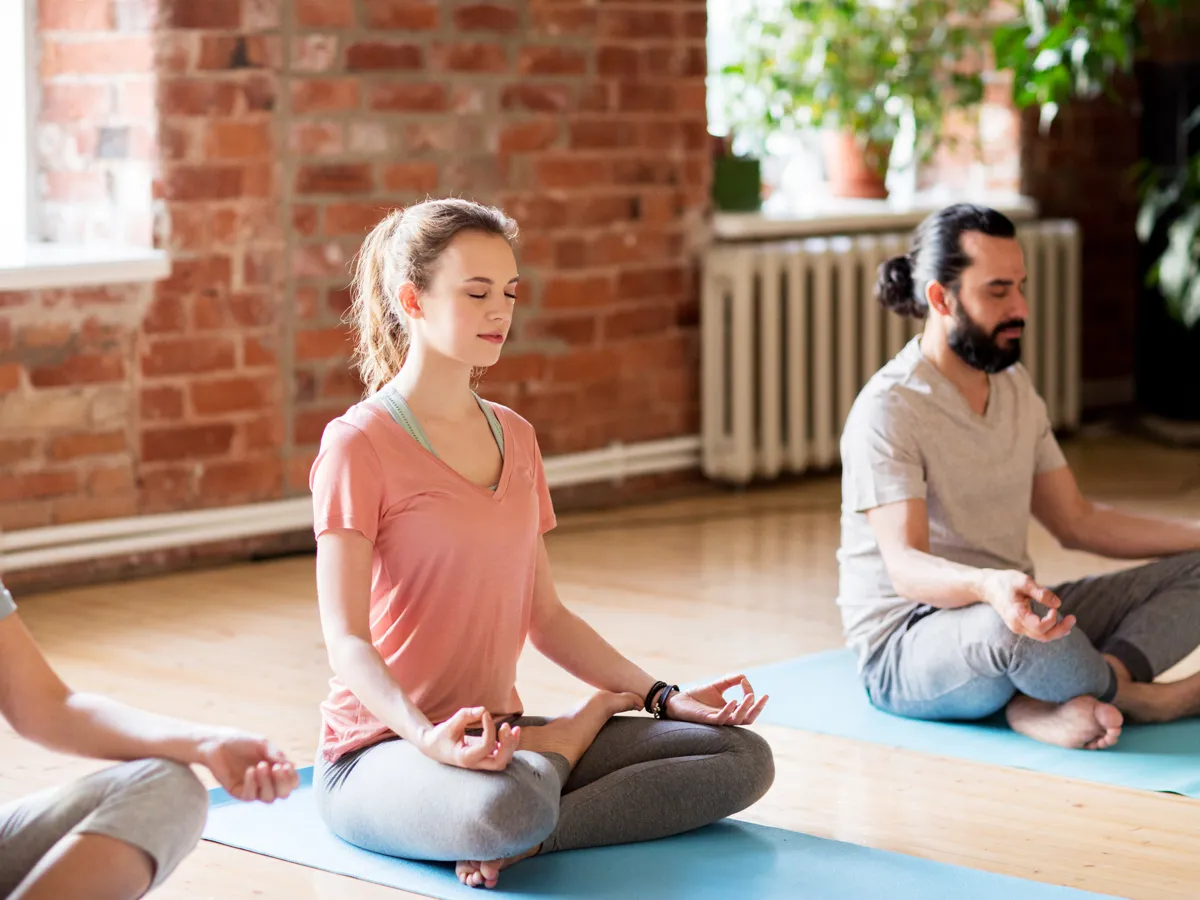
In the fast-paced world we live in, finding moments of calm can be quite challenging. Mindfulness, a practice rooted in ancient traditions, offers a gentle way to discover peace amidst the chaos. It invites us to focus on the present moment, harnessing our attention to enhance our mental well-being. If you’re new to this journey, here are some mindfulness exercises tailored for beginners. These exercises are simple yet potentially effective in nurturing a peaceful mind.
Understanding Mindfulness
Mindfulness is about being fully present, aware of where we are and what we are doing. It involves tuning into our thoughts, emotions, and bodily sensations without judgment. By doing so, we can cultivate a deeper understanding of our inner selves.
Simple Breathing Exercise
A foundational aspect of mindfulness is breath awareness. This exercise can be done anywhere and can offer a gentle way to anchor yourself in the moment.
- Find a Comfortable Position: Sit down on a chair or lie down comfortably.
- Close Your Eyes: Gently close your eyes and take a few natural breaths.
- Focus on Your Breath: Pay attention to your breathing — inhale through your nose, feel your chest rise, and exhale slowly. Notice the sensation of the breath as it leaves your body.
- Return to Breath: If your mind wanders, it’s okay. Gently bring your focus back to your breath.
Research Insight
Studies have shown that breath awareness can moderately reduce stress and enhance focus (Kabat-Zinn, 1990).


Body Scan Meditation
This practice helps in developing awareness of bodily sensations and can also promote relaxation.
- Start at Your Feet: Lie down comfortably and close your eyes. Begin by focusing on your toes.
- Move Upward: Gradually, move your attention upwards through your legs, abdomen, chest, arms, shoulders, neck, and head.
- Acknowledge Sensations: Note any sensations, areas of tension, or discomfort. Simply observe without trying to change anything.
Research Insight
Research suggests that body scan meditation can be beneficial in reducing anxiety and chronic pain (Veehof et al., 2016).
Mindful Walking
Walking can be more than just physical exercise. With mindfulness, it becomes a nurturing practice for mind and body.
- Choose a Path: Find a quiet space where you can walk undisturbed.
- Walk Slowly: Begin walking at a gentle pace. Focus on the physical sensation of standing and the series of movements in walking.
- Focus on Each Step: Pay attention to every step — the lifting of a foot, moving it forward, and placing it down.
Personal Note
I find mindful walking refreshing, especially when overwhelmed. The rhythmic nature of walking and being outside brings a renewed sense of calm.
Mindful Eating
Eating can be transformed into a mindfulness practice that enhances appreciation and gratitude for life’s simple pleasures.
- Choose Your Meal: Sit down with a small meal or snack.
- Engage Your Senses: Notice the color, texture, and aroma of the food.
- Eat Slowly: Take small bites and chew thoroughly. Savor each bite and think about the flavors and how the food nourishes your body.
Research Insight
A study highlights that mindful eating may contribute to healthier eating habits and weight management (Robinson et al., 2013).
Loving-kindness Meditation
This practice focuses on developing compassion towards oneself and others, fostering a sense of connectedness.
- Find a Quiet Place: Sit comfortably and close your eyes.
- Generate Kind Thoughts: Silently express phrases like “May I be happy,” “May I be healthy,” and gradually extend these wishes to others.
- Expand Compassion: Extend these thoughts to friends, acquaintances, and eventually to all living beings.
Conclusion
Mindfulness is a personal journey that doesn’t require drastic changes or commitments. By incorporating these exercises into daily life, you might find moments of clarity and tranquility in unexpected places.
Always remember, it’s perfectly normal for your mind to wander. Gently bring your attention back to the practice without criticism. Trying different exercises can help you discover what resonates most with you.
References
- Kabat-Zinn, J. (1990). “Full Catastrophe Living: Using the Wisdom of Your Body and Mind to Face Stress, Pain, and Illness.”
- Veehof, M. M., et al. (2016). “Acceptance-Based Interventions for the Treatment of Chronic Pain: A Systematic Review and Meta-Analysis.”
- Robinson, E., et al. (2013). “How to reduce portion size by training your brain to become more mindful.”

