


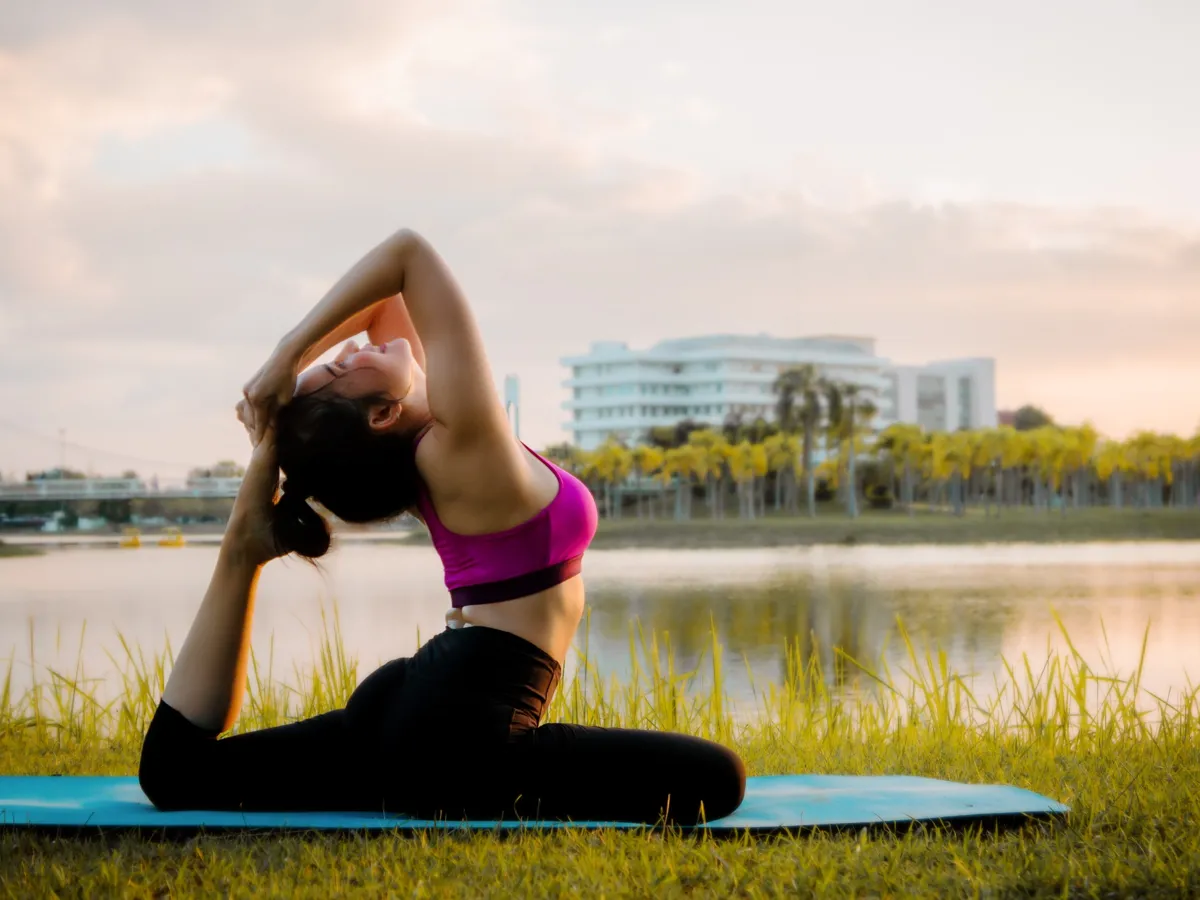
In today’s fast-paced world, stress is a common challenge many of us face. Yoga offers a gentle and effective way to manage stress levels, enhance relaxation, and improve overall well-being. On this page, we will explore simple yoga exercises that can help relieve stress and promote a sense of calm. Remember, it is important to practice yoga with patience and mindfulness.
The Science of Yoga and Stress Relief
Research indicates that yoga may activate the parasympathetic nervous system, which helps the body return to a state of rest and digestion. According to a study published in the journal Psychosomatic Medicine, yoga was shown to ease stress and improve mood by reducing levels of cortisol, a stress hormone.
While yoga might not be a cure for stress, it can be an effective tool to manage it. Incorporating breathing exercises, physical postures, and meditation into your routine can provide relief and foster a sense of inner peace.
Simple Yoga Poses for Stress Relief
Below are some yoga poses you can include in your routine to help alleviate stress. It’s a good idea to perform these poses in a quiet space, and remember to focus on your breath throughout the practice.
1. Child’s Pose (Balasana)
Child’s Pose is a gentle stretch for the back, hips, and thighs. It is a restful pose that calms the mind, making it an ideal choice for stress relief.


- Instructions:
- Kneel on the floor with your toes touching and knees spread apart.
- Sit back on your heels and stretch your arms forward on the floor.
- Lay your torso down between your thighs and relax.
2. Cat-Cow Pose (Marjaryasana-Bitilasana)
Cat-Cow Pose is a smooth flow between two positions that provides a gentle massage to the spine and belly organs, relieving tension.
- Instructions:
- Start on your hands and knees.
- As you inhale, drop your belly, lift your chest, and gaze upward (Cow Pose).
- On an exhale, round your back towards the ceiling and drop your head (Cat Pose).
- Continue this gentle flow for a few breaths.
3. Legs-Up-the-Wall Pose (Viparita Karani)
This restorative pose promotes relaxation and helps reduce stress by encouraging blood flow back to the heart.
- Instructions:
- Sit with one side of your body against a wall.
- Lie on your back and swing your legs up onto the wall.
- Rest your arms by your sides and breathe deeply.
4. Corpse Pose (Savasana)
The act of simply lying down can be remarkably restorative. This pose helps to calm the mind and body.
- Instructions:
- Lie flat on your back with your legs extended and arms at your sides.
- Close your eyes and let your entire body relax.
- Focus on your breathing and remain in this pose for several minutes.
Incorporating Breathwork and Meditation
Breathing exercises, also known as pranayama, play a significant role in managing stress. Practices like deep belly breathing can help slow down the heart rate and reduce anxiety.
1. Alternate Nostril Breathing (Nadi Shodhana)
- Instructions:
- Sit comfortably and close your eyes.
- Use your right thumb to close your right nostril, inhale through your left.
- Block your left nostril, release your right, and exhale.
- Inhale through the right, block it, open the left, and exhale.
- Repeat several cycles.
Meditation, even for a few minutes each day, can work wonders for your mental well-being. Find a quiet spot, close your eyes, focus on your breath, and gently bring your mind back to the present moment whenever it wanders.
Conclusion
Regularly incorporating these yoga routines into your lifestyle may help mitigate the effects of stress. Remember, the key is persistence and mindfulness. While yoga might not be a magic solution, many find it offers valuable support in dealing with life’s stressors.
Always listen to your body, and if you’re new to yoga or have any medical concerns, consider consulting a healthcare professional or registered yoga instructor for personalized guidance. If you’re interested in learning more about how yoga can complement other wellness practices, feel free to explore other sections on our site.
Embrace the journey of wellness, and remember, it is the small, mindful steps that often lead to significant change.

