


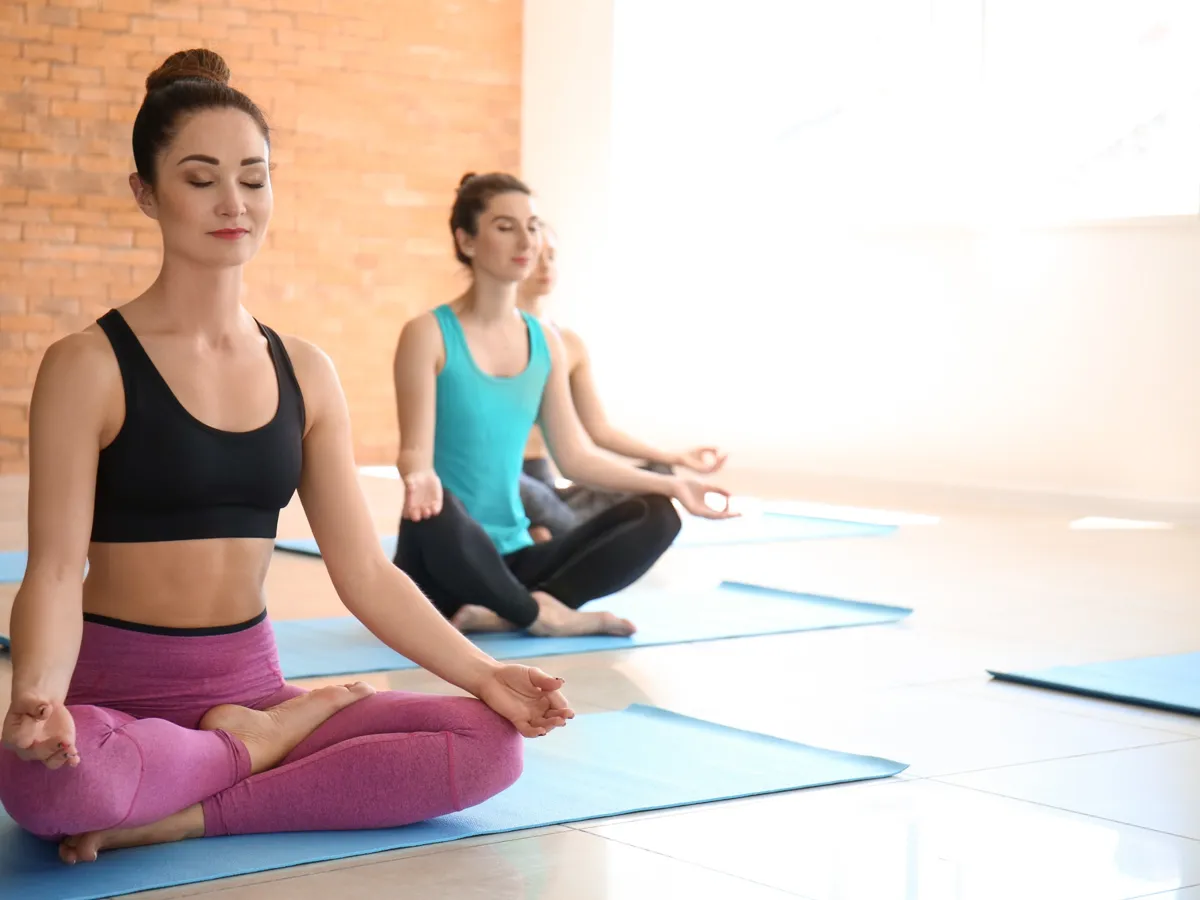
Meditation, a practice that has been around for thousands of years, is increasingly embraced by people seeking a more balanced and centered life. While it’s often associated with monks and spiritual seekers, meditation is a tool that anyone can benefit from. Let’s explore how meditation might support better mental and physical health.
Reducing Stress
One of the primary reasons individuals turn to meditation is its potential to reduce stress. By taking a few minutes out of a busy day to sit quietly and focus on the present, many people find they can reduce the impact of stress. A study published in the journal Psychosomatic Medicine found that mindfulness meditation could decrease stress by reducing markers of inflammation and stress-related hormone levels in the body.
Example
Imagine sitting down in a quiet room and focusing on your breath. Inhale deeply, counting to four, hold, and then exhale to a count of four. Even short sessions like this can help create a sense of calm, counteracting the stressors of daily life.
Improving Concentration and Focus
In our fast-paced world, maintaining focus can be a challenge. Mindfulness meditation encourages the practice of staying present, which can improve one’s concentration over time. The journal Psychological Science published a study showing that just two weeks of meditation training enhanced focus and working memory.
Example
A student preparing for exams might use meditation to boost concentration. By starting the day with 10 minutes of focused breathing, the student could enhance their ability to study effectively, paying better attention to their notes and retaining more information.


Enhancing Emotional Health
Meditation can also play a role in improving emotional health. By fostering a greater awareness of the mind-body connection, individuals often report a more balanced emotional state. Meditation might contribute to a reduction in symptoms of anxiety and depression, offering a complementary approach alongside other treatments. A meta-analysis in JAMA Internal Medicine found evidence supporting mindfulness meditation for improving anxiety, depression, and pain.
Example
A person experiencing anxiety might find relief through meditation. With consistent practice, they can begin to notice how thoughts and emotions arise and pass, helping them to prevent spiraling into anxious states.
Supporting Sleep
For those struggling with insomnia or other sleep disorders, meditation may offer some assistance. Techniques like body scans and guided imagery can calm the mind and promote relaxation before bedtime. Research in the journal JAMA Internal Medicine highlights how mindfulness meditation might improve sleep quality in older adults with moderate sleep disturbances.
Example
Before going to bed, you might try a body scan meditation. Lying comfortably, focus your attention on each part of the body, starting from your toes and moving up to your head. This practice can help release tension and cue the body that it’s time to sleep.
Encouraging Self-Awareness
Meditation offers an opportunity to reflect and create a deeper understanding of oneself. It can encourage individuals to recognize patterns in their thoughts and emotions, giving them the chance to make conscious choices rather than reacting automatically.
Example
By meditating, you might discover that you tend to react with frustration during certain situations. By noticing this pattern, you can begin to pause and choose a different response, gradually shifting towards more constructive behaviors.
Conclusion
Meditation is a practice that can offer numerous benefits, from reducing stress to enhancing self-awareness. While research is continuing to expand our understanding of meditation’s effects, many people find it to be a valuable part of their personal wellness journey. It’s accessible to nearly everyone, requiring nothing but a few minutes and a quiet space.
If you’re new to meditation, consider starting with a few minutes each day and gradually increasing the duration. Explore different techniques to find what best resonates with you. Like any skill, meditation gets easier and often more rewarding with regular practice.
Give yourself the grace to experiment and discover how this practice might fit into your life. Remember, it’s not about emptying your mind, but rather understanding it better.

