


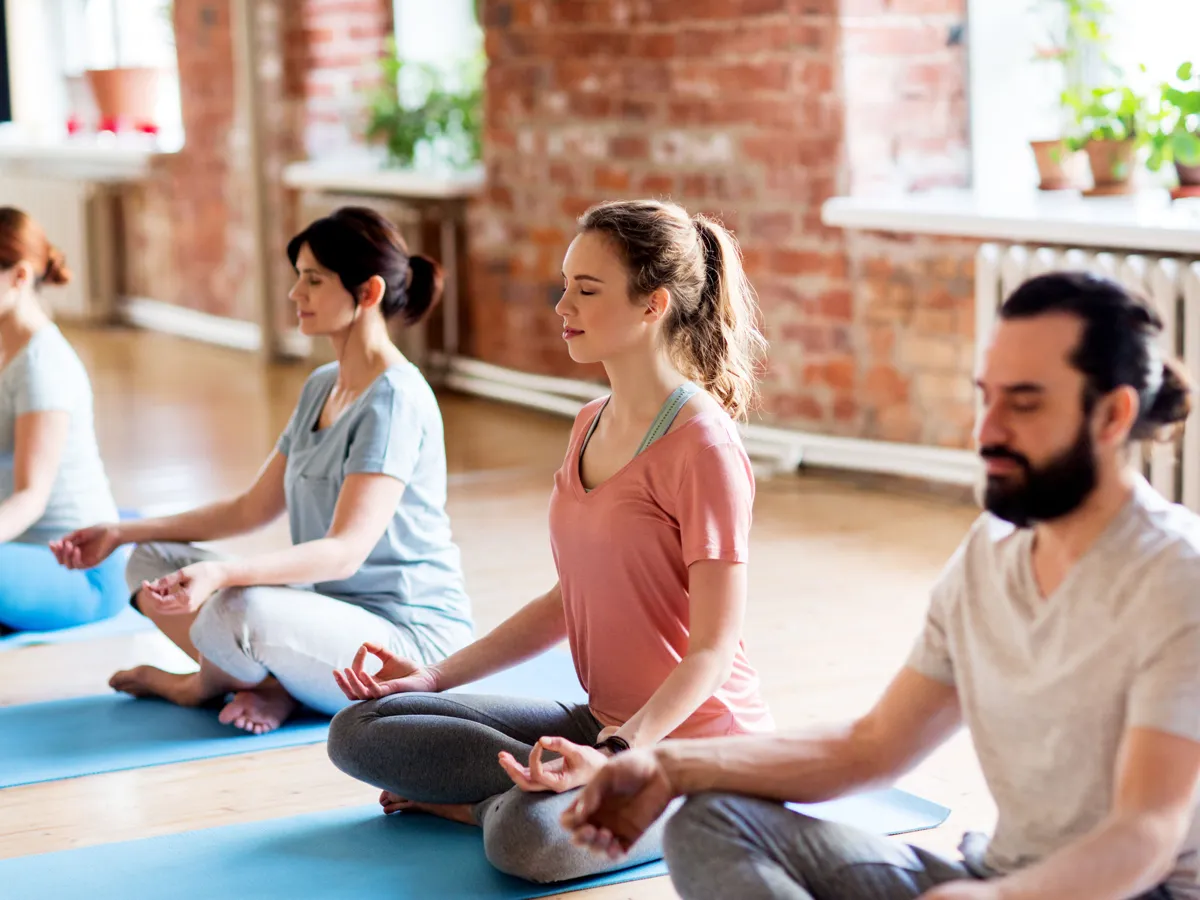
In our fast-paced world, stress can easily creep into our lives, impacting our mental and physical well-being. Finding appropriate ways to manage stress is vital to maintaining balance. At Popular Health, we believe in exploring various avenues for peace and calmness. Here, we’ve put together an array of stress relief activities you might find useful.
The Art of Mindful Breathing
Breathing may seem basic, but mindful breathing can significantly affect stress levels. By focusing on your breath, you anchor yourself in the present moment, reducing anxiety.
-
4-7-8 Breathing: Breathe in through your nose for four seconds, hold your breath for seven seconds, and exhale slowly through your mouth for eight seconds. Repeat this cycle four times.
-
Diaphragmatic Breathing: Place one hand on your chest and another on your stomach. Inhale deeply through your nose, ensuring your diaphragm rises more than your chest, then exhale through pursed lips.
These techniques are simple but may help create a sense of tranquility when practiced regularly.
Embrace Nature
Spending time in nature has been shown to reduce stress. A study published in the International Journal of Environmental Health Research found that even short periods in a natural setting can alleviate stress.


Whether it’s a walk in the woods or a park visit, immersing yourself in natural surroundings can provide a nurturing and calming experience. Consider making it a regular habit if you enjoy connecting with nature.
Creative Expression
Engaging in creative activities can also be a stress reliever. Art, music, or writing allows you to express emotions constructively. Here are a few suggestions to explore:
- Journaling: Documenting your thoughts and feelings can be a therapeutic release. Try the free-write approach, where you write continuously without worrying about grammar or punctuation.
- Artwork: Painting, drawing, or coloring can be meditative. Art doesn’t need perfection; it’s about the process.
- Music: Whether listening or playing an instrument, music can soothe the mind. Choose genres that resonate with you or create playlists for specific moods.
Creativity offers a chance to dive into your inner world, offering solace and insight.
Physical Movement
Exercise is well-known for its stress-busting benefits. It doesn’t have to be intense to be effective.
- Yoga: Combines physical postures, controlled breathing, and meditation. Studies, like one published in the Journal of Alternative and Complementary Medicine, recognize yoga’s potential to reduce stress.
- Tai Chi: A gentle martial art known for its flowing movements, enhancing mental focus and reducing stress.
- Walking or Dancing: Simple yet powerful, these activities boost endorphins, the body’s natural stress-relief hormones.
Find a routine that fits your lifestyle and preferences. Physical movement should be enjoyable, not obligatory.
Social Connections
Human beings are inherently social creatures. Building solid connections with friends, family, or community groups can provide emotional support and reduce stress. Here’s how you might enhance your social interactions:
- Volunteer: Giving your time to help others can be rewarding and an excellent way to connect with people.
- Join Clubs or Classes: Engage in activities where you can meet people with similar interests.
- Quality Time: Spend time with loved ones in a more mindful, present way. Turn off distractions and focus on genuine interaction.
Social interactions offer comfort, perspective, and laughter—each a valuable stress relief in its own right.
Mindfulness and Meditation
Regular meditation practices help cultivate a sense of calm and mindfulness. It encourages you to observe your thoughts without judgment, promoting self-awareness and reducing the impact of stress.
- Body Scan Meditation: This involves mentally scanning yourself from head to toe, focusing attention on areas of tension and consciously relaxing them.
- Guided Imagery: Use audio recordings or scripts that help you visualize peaceful settings or experiences.
If you are new to meditation, consider starting with just a few minutes a day and gradually increase the duration as you become more comfortable.
Conclusion
Different stress relief activities resonate with different personalities and lifestyles. The key is to experiment and find what works best for you. It’s important to approach stress management with patience and openness, recognizing that even small efforts can make a difference over time.
Please remember, while these activities may help manage stress, consulting with a healthcare professional for personalized advice is beneficial, particularly if stress persists. Your mental wellness matters, and seeking support is always a commendable step.
Feel free to explore the resources and suggestions we’ve shared. Here’s to a more balanced and serene life!

