


Anxiety can feel like a heavy cloud hanging over our heads, often showing up without warning. Whether it originates from life changes, work stress, or everyday worries, anxiety is a common experience for many. Facing it head-on can be daunting, but there are ways to learn and practice skills that might help manage it more effectively.
Understanding Anxiety
Anxiety is a natural response to stress, typically involving feelings of fear or apprehension about what’s to come. The American Psychological Association describes it as an emotion characterized by feelings of tension, worried thoughts, and physical changes like increased blood pressure.
It’s important to remember that experiencing anxiety occasionally is a part of life. However, when it becomes persistent and overwhelming, it might be an indication of an anxiety disorder.
Techniques to Cope with Anxiety
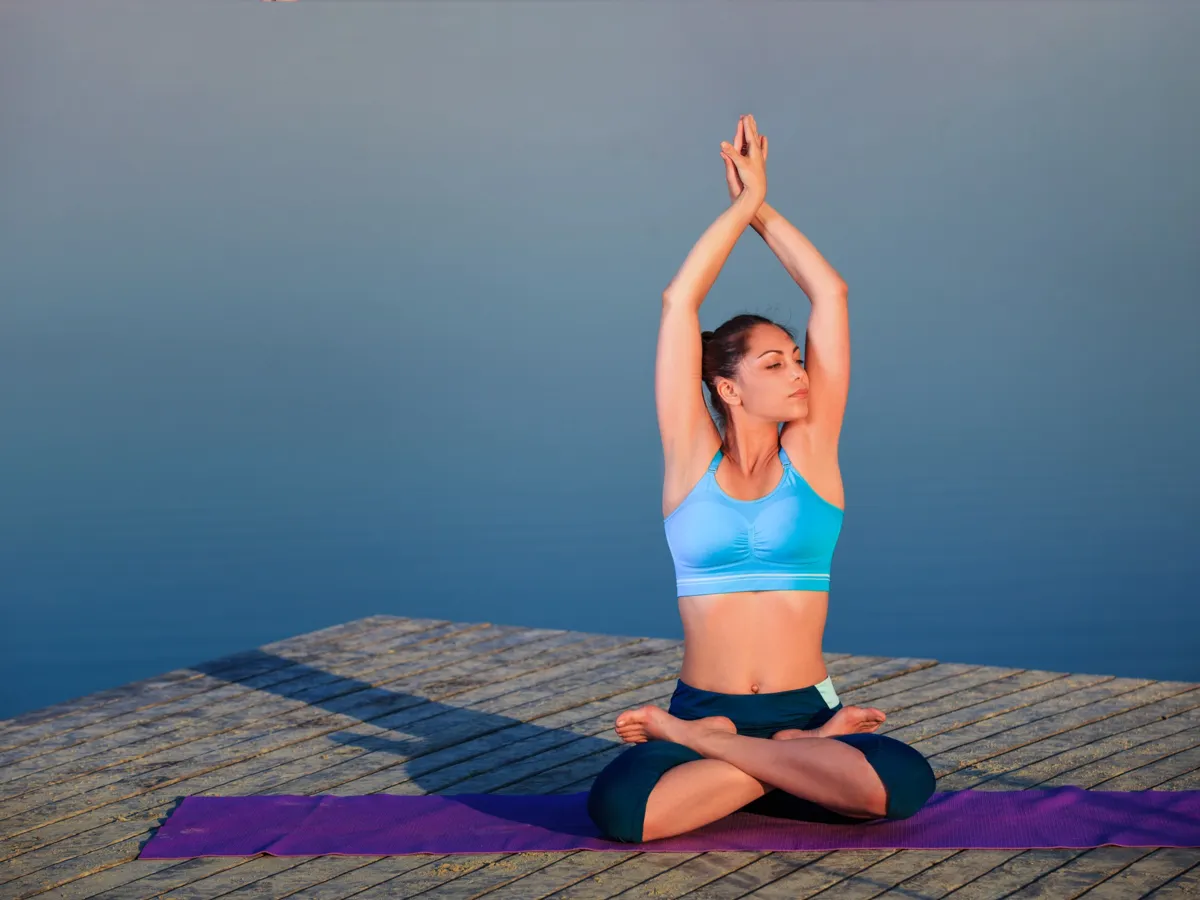
Practice Mindfulness
Mindfulness involves being fully present in the moment, without judgment. Studies, such as those from the journal Clinical Psychology Review, suggest that participating in mindfulness practices can lead to significant reductions in anxiety levels.
- Exercise: Try setting aside a few minutes each day to practice mindfulness meditation. Start by focusing on your breath, noticing each inhale and exhale.


Regular Physical Activity
Exercise is widely recognized for its mental and physical benefits. According to research published in the American Journal of Psychiatry, engaging in regular physical activity can reduce anxiety symptoms significantly.
- Exercise Recommendation: You don’t need to run a marathon. A simple 30-minute walk or short workout session can make a difference.
Talk About It
Sometimes, voicing your thoughts can bring relief. Sharing your experiences with friends, family, or mental health professionals can provide new perspectives.
- Example: Consider talking to a trusted friend or seeking out a support group where others share similar experiences.
Managing Day-to-Day Anxiety
Create a Routine
Having a routine can provide a sense of control and predictability. This can be particularly comforting when anxiety feels unpredictable.
- Routine: Try to establish a daily schedule that includes time for work, relaxation, and socializing.
Limit Stimulants
Caffeine and similar stimulants can ramp up anxiety symptoms. It may be helpful to monitor your intake and adjust as needed.
- Suggestion: Consider substituting your afternoon coffee with herbal tea or other non-caffeinated beverages.
Proper Rest
Getting adequate sleep plays a crucial role in managing anxiety. Poor sleep can exacerbate anxiety symptoms, while sufficient rest can help regulate mood.
- Sleep Tips: Aim to maintain a regular sleep schedule, ensuring you get 7-9 hours of sleep each night.
Seeking Professional Support
At times, coping with anxiety might require professional guidance. Cognitive Behavioral Therapy (CBT) is one approach many find useful, focusing on changing patterns of thinking or behavior that are behind people’s difficulties.
Medication
In some cases, medication might be advised by healthcare professionals as part of a broader treatment plan. It’s vital to have open discussions with healthcare providers to understand the options available.
Conclusion
Navigating life with anxiety isn’t easy, but remember that you’re not alone. Many people have shared similar struggles. By exploring various coping strategies and seeking support when needed, it’s possible to find ways to manage anxiety that might be helpful for you.
Further Resources
Each journey is unique, and it’s okay to take it day by day. As we learn more about anxiety, we can all move toward a healthier state of emotional well-being together.

