


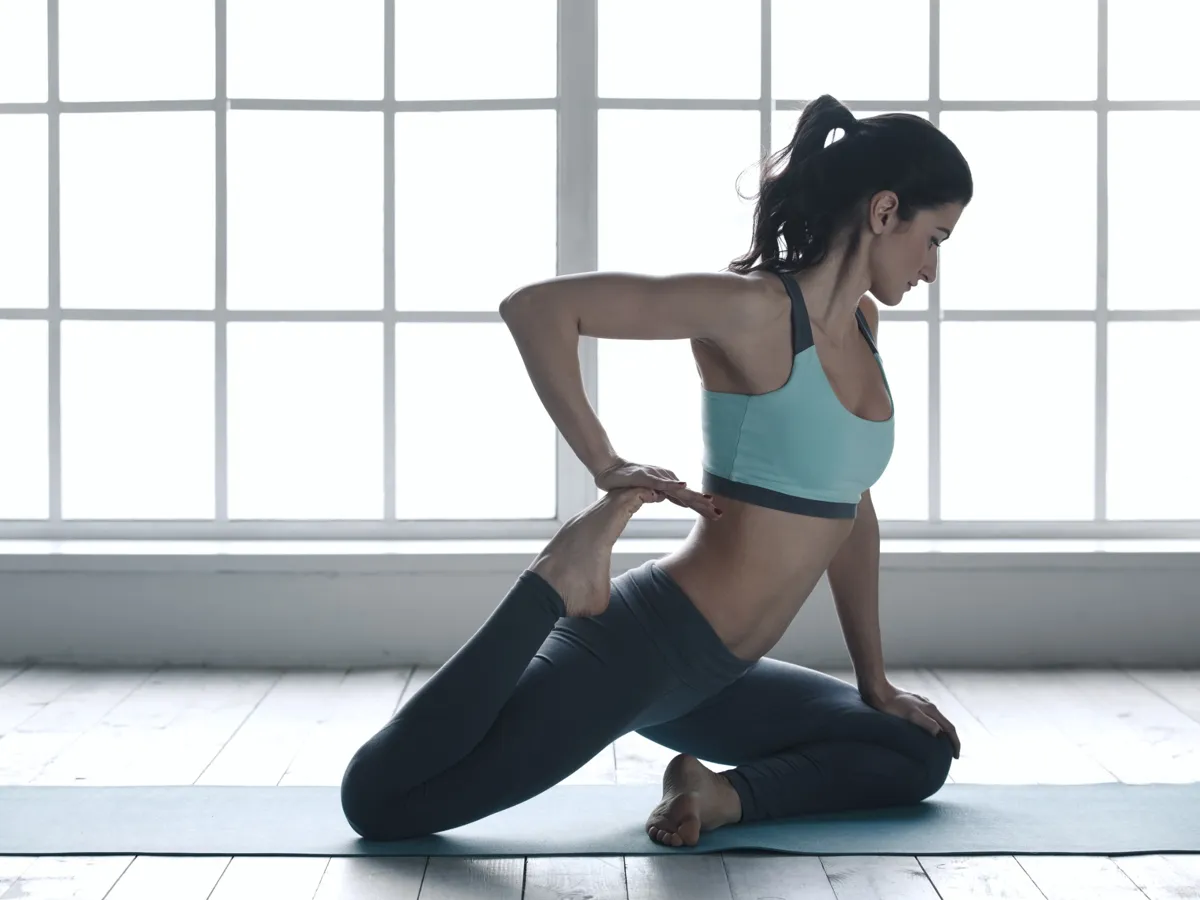
Exploring the world of yoga can be a rewarding journey for both the mind and body. Whether you’re looking to increase your flexibility, improve mental clarity, or find a sense of calm, starting with the basics is essential. Here, we’ll explore some fundamental yoga poses suitable for beginners, along with gentle guidance to get you started on your practice.
The Benefits of Yoga for Beginners
Engaging in regular yoga can offer numerous benefits. While the experiences may vary, many find that yoga helps to:
- Enhance flexibility and strength
- Improve balance and posture
- Cultivate mindfulness and stress relief
- Encourage better breathing habits
When beginning your practice, it’s important to listen to your body and progress at your own pace. Let’s delve into a few yoga poses that can provide a solid foundation for your journey.
1. Mountain Pose (Tadasana)
Mountain Pose is often considered a starting point for many other poses. It’s a simple but powerful position that improves posture and provides an opportunity to focus on alignment and breathing.
How to Perform Mountain Pose:
- Stand with your feet together or hip-width apart.
- Distribute weight evenly over both feet.
- Extend your arms alongside your body or raise them overhead with palms facing each other.
- Engage your thighs, lift your chest, and soften your shoulders away from your ears.
- Take slow, deep breaths as you hold the pose.


2. Downward-Facing Dog (Adho Mukha Svanasana)
Downward-Facing Dog is a staple in many yoga routines. It’s a mild inversion that helps to strengthen arms and legs while lengthening the spine.
How to Perform Downward-Facing Dog:
- Begin on hands and knees, wrists under shoulders, and knees under hips.
- Spread your fingers wide and press into the mat as you tuck your toes.
- Lift your knees off the floor, raising your hips toward the ceiling.
- Keep your knees slightly bent initially, then straighten them gently.
- Hold for several breaths, focusing on lengthening your spine.
3. Child’s Pose (Balasana)
Child’s Pose is a resting pose that can provide a moment of peace during your practice. It’s useful for gently stretching the back and hips.
How to Perform Child’s Pose:
- Start on all fours, then bring your big toes together as you widen your knees.
- Sit back on your heels, extending your arms forward on the mat.
- Allow your forehead to rest on the ground.
- Relax and breathe deeply as you hold the pose.
4. Warrior I (Virabhadrasana I)
Warrior I is a standing pose that promotes stability and builds strength in the legs and core.
How to Perform Warrior I:
- Stand in Mountain Pose, then step one foot back, keeping the front knee over the ankle.
- Turn your back foot to a 45-degree angle, grounding it into the mat.
- Square your hips and shoulders forward.
- Raise your arms overhead, palms facing in.
- Hold the pose while maintaining a steady breath.
5. Cat-Cow Pose (Marjaryasana-Bitilasana)
Cat-Cow is a gentle flow between two poses that can increase spinal mobility and help warm up the back muscles.
How to Perform Cat-Cow Pose:
- Begin on your hands and knees, ensuring wrists and knees are aligned with shoulders and hips.
- Inhale, arch your back, and lift your head and tailbone toward the ceiling (Cow).
- Exhale, round your spine, and tuck your chin into your chest (Cat).
- Continue flowing between these two positions for several breaths.
Research and Considerations
While various studies highlight the benefits of yoga, they typically underscore its role as part of a broader wellness approach. A study published in the Journal of Clinical Psychology noted positive outcomes with yoga in managing stress-related symptoms, while another in the British Journal of Sports Medicine reviewed yoga’s benefits in balance and mobility for older adults.
Approach your yoga practice with an open heart and mind. Consistency over perfection helps build a sustainable practice. If you’d like further support, consider joining a local class or following a guided online session to enhance your understanding and technique.
By gradually incorporating these foundational poses into your routine, you cultivate a practice that not only benefits the body but also nurtures the mind. Remember, each yoga journey is unique, so embrace where you are today.

