


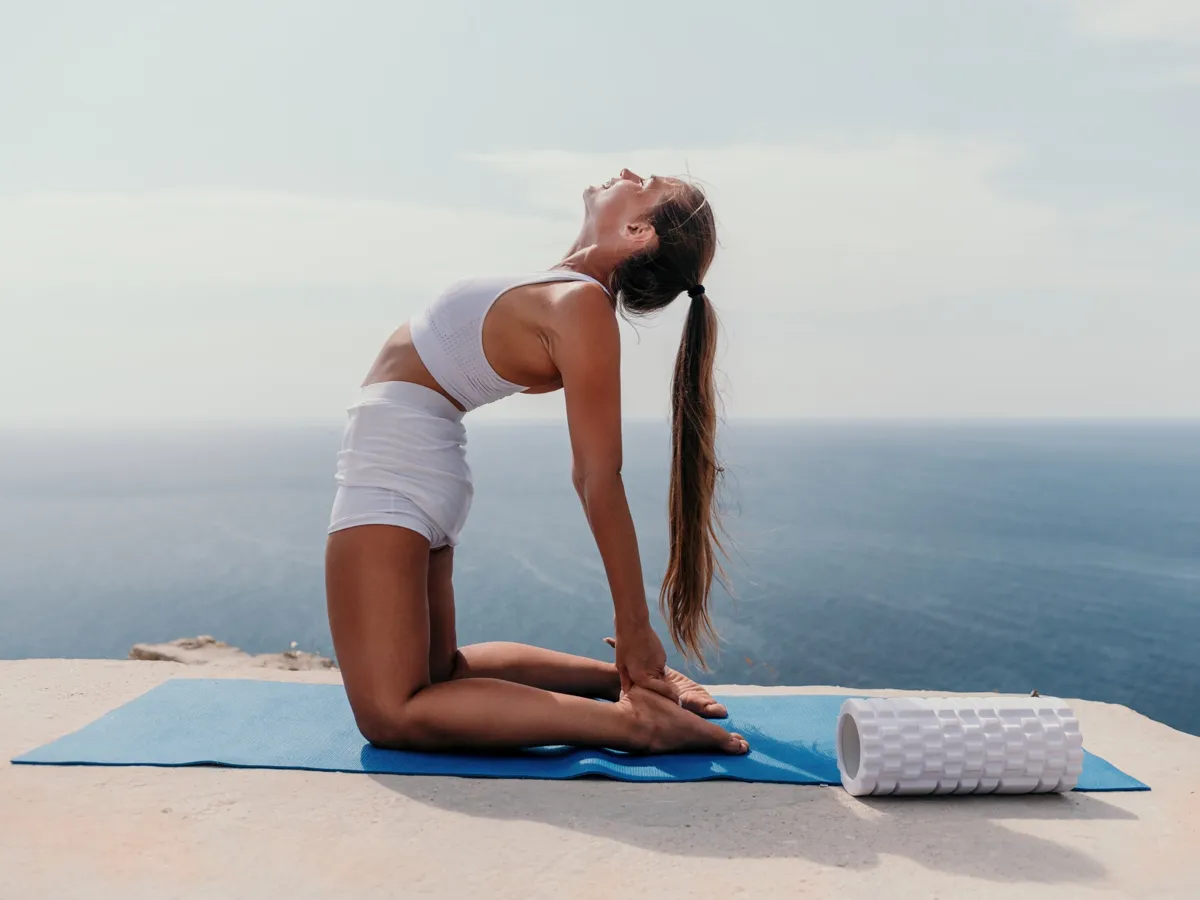
Pilates, a form of low-impact exercise developed by Joseph Pilates in the early 20th century, has grown in popularity worldwide. It’s admired for its gentle approach to strength and flexibility. But what makes it stand out? Let’s explore the numerous potential benefits Pilates offers for wellness and lifestyle optimization.
Core Strength and Stability
Pilates is renowned for enhancing core strength. The exercises target the muscles in the abdomen, lower back, hips, and buttocks—collectively known as the ‘powerhouse.’ A strong core can improve posture and balance, making everyday tasks easier and reducing the risk of injuries.
According to a 2016 study published in the Journal of Sports Science & Medicine, individuals who practiced Pilates regularly exhibited improved core muscular endurance and stability. Such outcomes may lead to better support of the spine and better overall physical function.
Flexibility and Range of Motion
While Pilates emphasizes strength, it also gently increases flexibility. By consistently stretching and lengthening muscles during exercises, participants often experience improved joint mobility.
A 2014 study in the International Journal of Environmental Research and Public Health indicated that regular Pilates practice enhances flexibility, potentially aiding in muscle efficiency and reducing the likelihood of strains or sprains in daily activities.
Postural Alignment
Pilates encourages awareness of one’s body mechanics, leading to improvements in posture. With a focus on alignment, individuals might find themselves standing taller and moving with more grace. This can be particularly beneficial for those who spend significant amounts of time seated or at a desk.


A study published in Sports Health in 2015 suggested that Pilates can help reduce postural abnormalities and promote more neutral alignment in the spine.
Mind-Body Connection
One key element of Pilates is its focus on the mind-body connection. Participants are encouraged to practice mindfulness, concentrating on their breathing and muscle engagement. This heightened awareness can lead to reduced stress and improved mental clarity, as described in research presented in the Journal of Bodywork and Movement Therapies.
Rehabilitation and Injury Prevention
Pilates is frequently utilized in physical therapy settings due to its gentle, controlled movements. It’s often recommended for individuals recovering from an injury or those with chronic conditions seeking a low-impact exercise form. By emphasizing core strength and alignment, Pilates may help decrease the chance of future injuries.
Benefits for All Ages and Abilities
The adaptable nature of Pilates makes it suitable for individuals of all ages and fitness levels. Whether you’re a beginner or an athlete, exercises can be modified to meet specific needs and abilities.
For example, an older adult may use Pilates to maintain mobility, while a dancer may leverage it to enhance performance. This versatility is one of the reasons Pilates continues to appeal to a wide and diverse group of people.
Conclusion
Pilates offers a variety of potential benefits that can enrich one’s lifestyle. From strengthening the core to enhancing mental well-being, its gentle yet effective approach may contribute to holistic wellness.
As with any exercise regimen, it’s crucial to approach Pilates with realistic expectations and listen to your body. Consider consulting with a healthcare provider or a certified Pilates instructor to tailor the practice to your personal needs and goals.
For those curious about incorporating Pilates into their wellness routine, it might be a helpful step towards lifestyle optimization and balanced living.

