


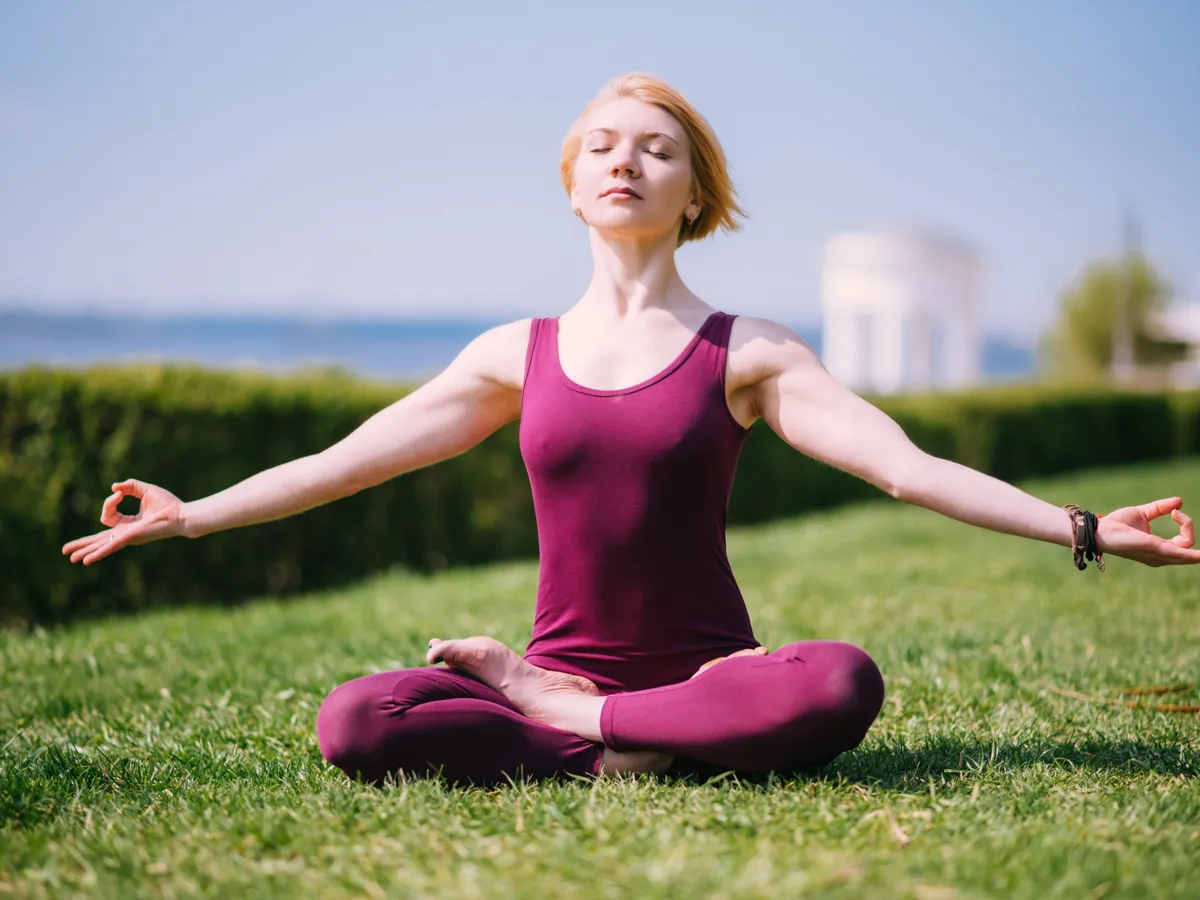
Welcome to your journey into the world of mindfulness meditation. At its core, mindfulness meditation is the practice of being present, embracing each moment with awareness and acceptance. While it may appear simple, the richness of the experience can unfold dramatically over time. Let’s explore it together, step by step.
What is Mindfulness Meditation?
Mindfulness meditation is a practice wherein you focus your attention on the present moment. This technique encourages you to observe your thoughts, emotions, and sensations without judgment. Rather than trying to change anything, the aim is to cultivate a calm, clear awareness of the present.
Origins and Philosophy
Mindfulness meditation has its roots in ancient Buddhist traditions but is widely practiced today in a secular context. Insight meditation, or “Vipassana,” is a traditional form of mindfulness. Contemporary techniques often integrate psychology and neuroscience insights as they apply to stress relief and mental health.
The Benefits of Mindfulness Meditation
Research into mindfulness meditation has shown that regular practice may offer various potential benefits, such as:
- Stress Reduction: A study published in the journal “Health Psychology” found that mindfulness meditation can reduce perceived stress and encourage a more relaxed state of being.
- Enhanced Focus: Research from the “Journal of Cognitive Enhancement” suggests that mindfulness meditation may help improve attention, leading to better concentration and retention.
- Emotional Resilience: Some studies indicate that mindfulness practices can foster emotional regulation and resilience, enabling individuals to respond to situations with greater calm.
- Improved Sleep: Mindfulness meditation could also result in changes in sleep quality, with participants in one study reporting easier time falling asleep and improved sleep overall.

While outcomes can vary from person to person, the opportunity to understand and embrace these potential benefits is open to anyone willing to explore the practice.
How to Practice Mindfulness Meditation
Establishing Your Space
Choose a quiet location where you won’t be disturbed. It doesn’t need to be elaborate. Simply a comfortable chair or a cushion on the floor can suffice.
Starting Your Practice
-
Posture: Sit comfortably with a straight back. Rest your hands on your knees or lap, and gently close your eyes or soften your gaze.
-
Breathing: Begin by taking deep, intentional breaths. Focus on the rise and fall of your chest, the feeling of air entering your nostrils, and leaving through your mouth.
-
Present Moment Awareness: With each inhale and exhale, guide your attention to the current moment. Notice the sensations in your body, the sounds around you, and the thoughts drifting by.
-
Non-Judgmental Observation: Allow your thoughts and feelings to come and go without labeling them as good or bad. Simply observe without getting attached to any outcome.
Everyday Examples
- Mindful Eating: Pay attention to the colors, textures, and tastes of your food. This encourages a more immersive and satisfying dining experience.
- Walking Meditation: While walking, focus on the sensation of each footfall, the air on your skin, and the rhythm of your breathing.
- Body Scan: Gradually move attention across your body from head to toe, noticing areas of tension or relaxation.
Overcoming Challenges
As you meditate, distractions will inevitably arise. This is normal. When you notice your mind wandering, gently redirect your focus back to your breath. Over time, this practice can help cultivate patience and discipline.
Conclusion
Mindfulness meditation is a journey with no fixed endpoints. Each session, whether a few minutes or longer, contributes to a deeper awareness of yourself and the world around you. We invite you to explore these practices at your own pace and see what unfolds.
Additional Resources
For those eager to delve further into the study of mindfulness, you may explore resources like:
- “The Miracle of Mindfulness” by Thich Nhat Hanh: A gentle introduction to the practice.
- Online Platforms: Websites and apps such as Headspace or Calm offer guided meditations to support your practice.
May your beginnings in mindfulness meditation inspire curiosity and peace within your daily life. And remember, every breath is a new opportunity to practice.

