


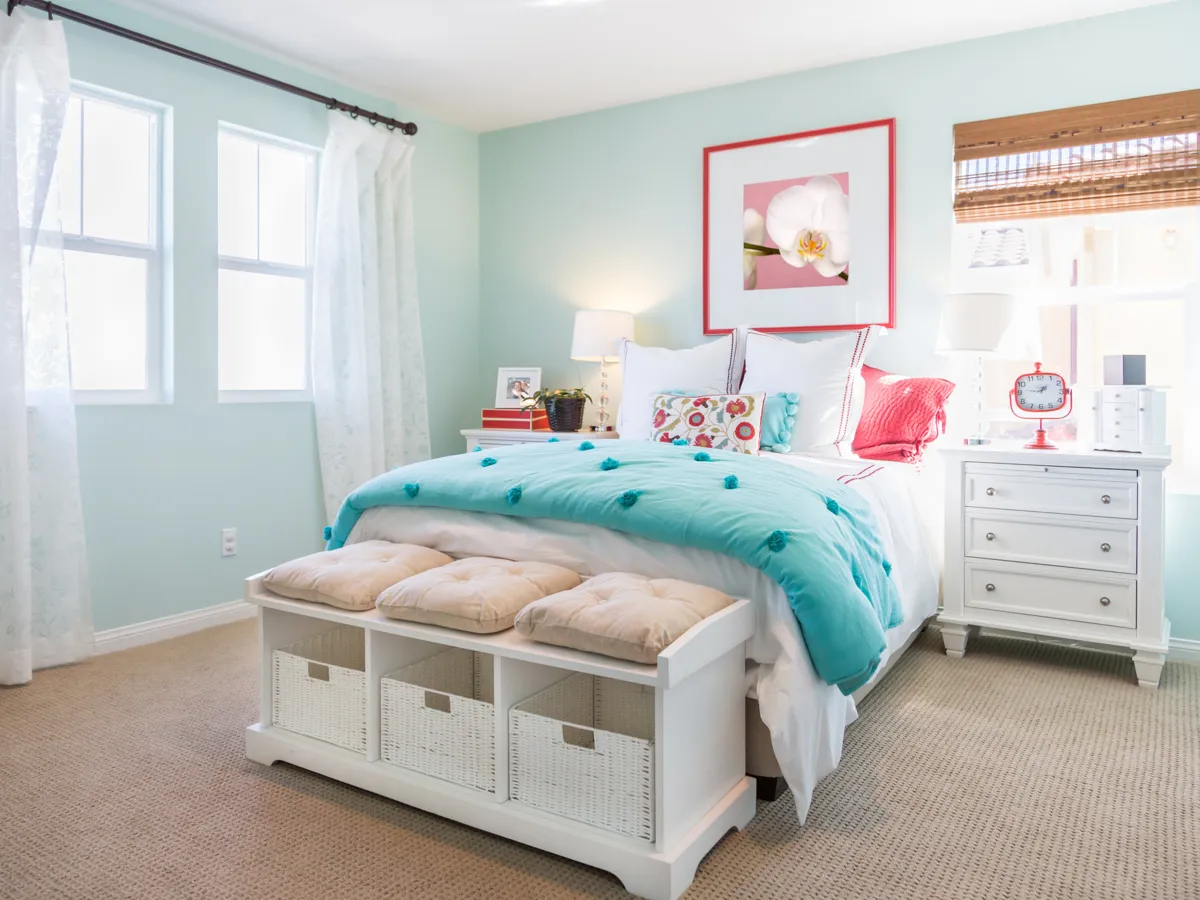
Creating a sleep-friendly bedroom environment is a fundamental aspect of sleep hygiene, which can significantly impact the quality of your rest. While there is no perfect formula that guarantees better sleep for everyone, there are several factors you might consider when setting up your bedroom to promote relaxation and rest.
Ideal Room Temperature
Temperature plays a crucial role in sleep quality. Many sleep researchers suggest maintaining a cool room environment to facilitate better rest. The National Sleep Foundation recommends a temperature around 60–67°F (15–19°C) as potentially beneficial for most people. Your preference might vary slightly, but keeping the bedroom cooler generally helps your body to reach the lower core body temperature needed for optimal sleep.
Lighting and Darkness
Light affects your body’s circadian rhythm, so it’s essential to keep your bedroom as dark as possible during sleep. Consider heavy curtains, blackout blinds, or even an eye mask if light pollution is an issue. If you prefer a nightlight, select a dim, warm-colored light. Some people find comfort and improved sleep with smart bulbs that gradually dim at bedtime, mimicking a natural sunset.
Minimize Noise
Unwanted sounds can interfere with sleep. To combat this, consider using a white noise machine or a fan that creates consistent, gentle sound. Earplugs are another option if you’re especially sensitive to noise. If you’re in a particularly noisy environment, investing in sound-reducing curtains or acoustic panels might also help create a more tranquil aural space.
Comfortable Bedding and Mattress
Your mattress and bedding greatly influence your sleep. Although individual preferences vary, it’s crucial to find a mattress that offers both comfort and support. Pillows should maintain your neck’s alignment with the spine. While these types of products have improved dramatically in recent years, it’s wise to choose what makes you feel most comfortable.


Many people enjoy the feeling of fresh linens, so washing your sheets regularly might also enhance your sleeping environment. Materials like cotton or bamboo tend to breathe well and can make a difference in how comfortable you feel throughout the night.
The Role of Scents
Some find that certain scents, like lavender or chamomile, can promote a sense of relaxation. Using essential oils in a diffuser, or opting for a lightly scented pillow spray, may subtly influence your mood. However, remember that not everyone reacts the same way to scents, so it’s worth experimenting cautiously to see what works for you.
Reduce Clutter
A cluttered room might contribute to increased stress levels, making it harder to fall asleep. Aim for tidiness and organization to cultivate a sense of calm. Minimalism in decor can also help keep your bedroom a serene and restful space, although it’s still important to personalize it to suit your taste.
Limit Electronic Devices
Electronics, especially those emitting blue light, can inhibit sleep-inducing hormones. If possible, keep phones, tablets, and TVs out of the bedroom to avoid unnecessary stimulation before bed. If you use your phone as an alarm, consider setting it to ‘Do Not Disturb’ mode, or use a traditional alarm clock instead.
Additional Research
Research from various sleep expert sources, including the Sleep Foundation and Harvard Medical School, typically underlines the importance of these factors. However, personal preferences and needs will ultimately guide what feels most conducive to restful sleep for you.
Conclusion
Your bedroom environment can be a powerful tool in enhancing your sleep. While there is no one-size-fits-all solution, these suggestions might offer useful starting points to personalize your sleep space. Paying attention to factors like temperature, light, and noise, alongside ensuring comfort and minimizing distractions, can help foster a restful and rejuvenating sleep experience.
Feel free to explore each suggestion to find what resonates with you; after all, sleep is a deeply personal experience.

