


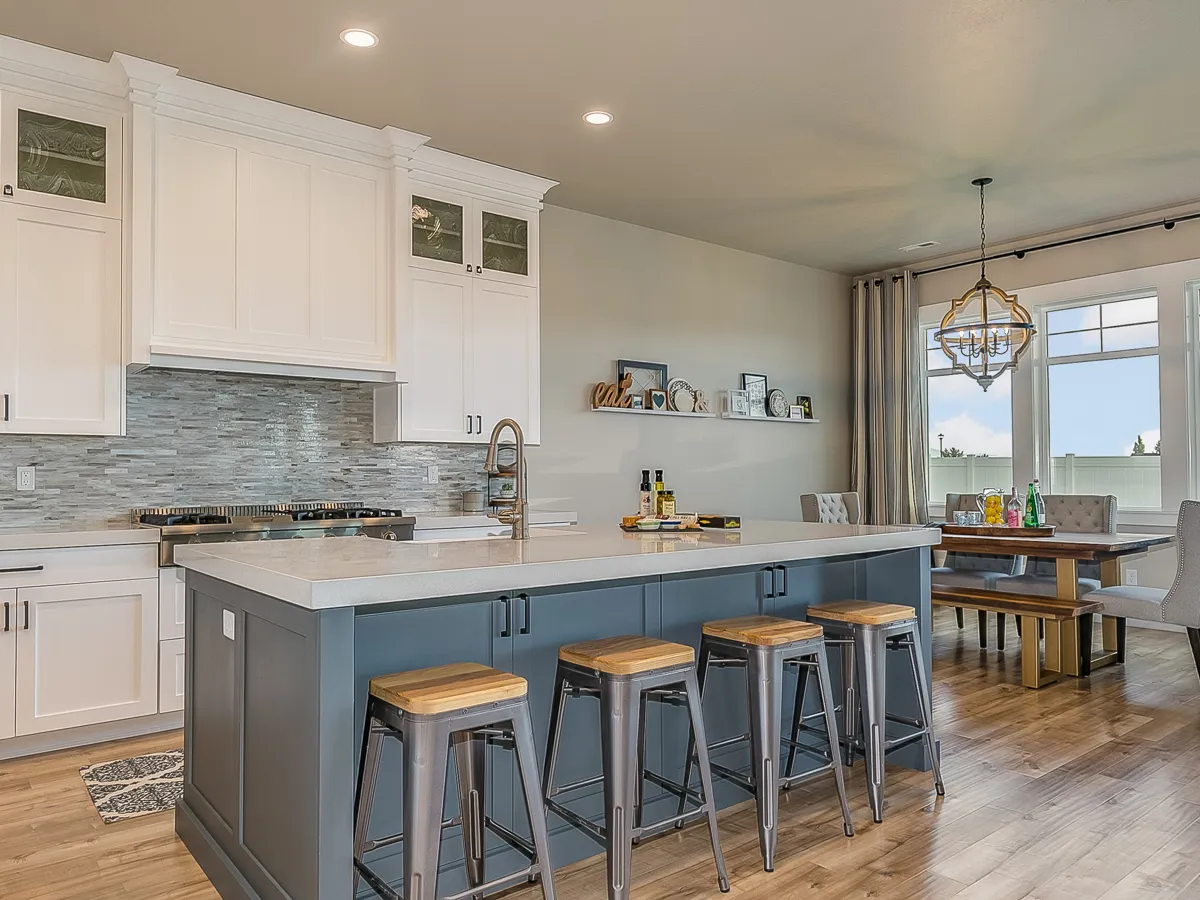
Creating a healthy home is about more than just aesthetics; it’s about cultivating an environment where wellness thrives. Our homes are our sanctuaries, spaces where we rest, recharge, and connect. While there’s no one-size-fits-all approach to achieving a healthy home, there are several guidelines and practices we can consider.
The Importance of Air Quality
Air quality is fundamental to a healthy home. Poor indoor air can lead to various health issues, including allergies and respiratory problems. Luckily, there are steps we can take to improve it.
Ventilation: Ensure proper ventilation in all rooms. Open windows regularly to let fresh air in, using exhaust fans in bathrooms and kitchens to expel excess moisture and pollutants.
Plants: Consider adding household plants like peace lilies or spider plants. Some studies have indicated that they may help to improve air quality by absorbing pollutants.
Cleaning Products: Use cleaning products with natural ingredients whenever possible. Harsh chemicals can contribute to poor indoor air quality. Many people find it helpful to make their own cleaners using simple ingredients like vinegar, baking soda, and essential oils.
Mindful Material Choices
The materials used in our homes can affect our health. From paint to furniture, mindful selections can mitigate risks.


Paint: Opt for low-VOC or zero-VOC paints. VOC (volatile organic compounds) can release harmful gases into the air for years after application.
Furniture: When selecting furniture, consider options that use non-toxic glues and have low VOC emissions. Solid wood furniture or reclaimed pieces often meet this criterion.
Floors: Hardwood, ceramic, and cork are good flooring choices. If using carpeting, look for options made from natural fibers and that have been treated with non-toxic dyes.
Lighting for Health
Lighting affects our mood, sleep patterns, and overall health. Incorporating natural and appropriate artificial lighting can make a big difference.
Natural Light: Allow as much natural light into your home as possible. It supports vitamin D production and can improve mood and mental clarity.
Artificial Light: Use LED bulbs that imitate natural light. They’re energy-efficient and available in various color temperatures that can fit the mood and function of your space.
Reducing Noise Pollution
A quiet home can help reduce stress and improve sleep quality. While some noise is unavoidable, there are ways to minimize it.
Soundproofing: Add rugs and heavy curtains to absorb sound. Door sweeps or draft guards can reduce noise coming in from under doors.
Quiet Time: Encourage a “quiet hour” without electronics and loud activities to help everyone wind down.
Creating a Sleep Sanctuary
Sleep is essential for health, and our bedrooms play a big role in the quality of sleep we get.
Mattress and Bedding: Choose a comfortable mattress that supports your spine, and use natural fiber sheets that breathe well.
Declutter: A cluttered bedroom can contribute to stress. Keeping your sleeping area tidy can help create a calming atmosphere.
Technology-Free Zone: Consider minimizing or eliminating screens from bedrooms. Blue light from screens can interfere with the body’s natural sleep-wake cycles.
Personalizing Your Space
Making your home a reflection of yourself can aid in mental well-being. It’s important to feel a connection to your environment.
Personal Touches: Incorporate personal items like photos, art, or mementos that bring joy and spark positive feelings.
Color Scheme: Use colors that make you feel relaxed and happy. Soft, neutral tones are often soothing, but ultimately personal preference is key.
Research Insights
While these strategies draw from common recommendations, studies suggest that personalizing these elements to suit your needs is beneficial. For instance, a study published in the Journal of Environmental Psychology highlights the importance of individual preferences in creating satisfying spaces.
In conclusion, while creating a healthy home involves a combination of strategies, the focal point is your well-being. Integrating these practices as they suit your lifestyle is a personal journey, not a destination. Enjoy the process of transforming your home into a place of peace and health.
References:
- Nieuwenhuis, M., et al. The Relative Benefits of Green vs. Lean Office Space: Three Field Experiments, Journal of Environmental Psychology, vol. 42, 2015, pp. 286-291.
- Wargocki, P., & Wyon, D. P. Research Report on the Effects of Plants in Offices, Indoor Air, vol. 21, 2011, 197–206.

