


Getting a good night’s sleep is an essential aspect of our overall health and well-being. The position in which we sleep can have varying impacts on our rest quality and physical health. Let’s explore some sleeping positions, their potential benefits, and considerations, while bearing in mind that individual preferences and needs can vary quite a bit.
The Back Sleeper
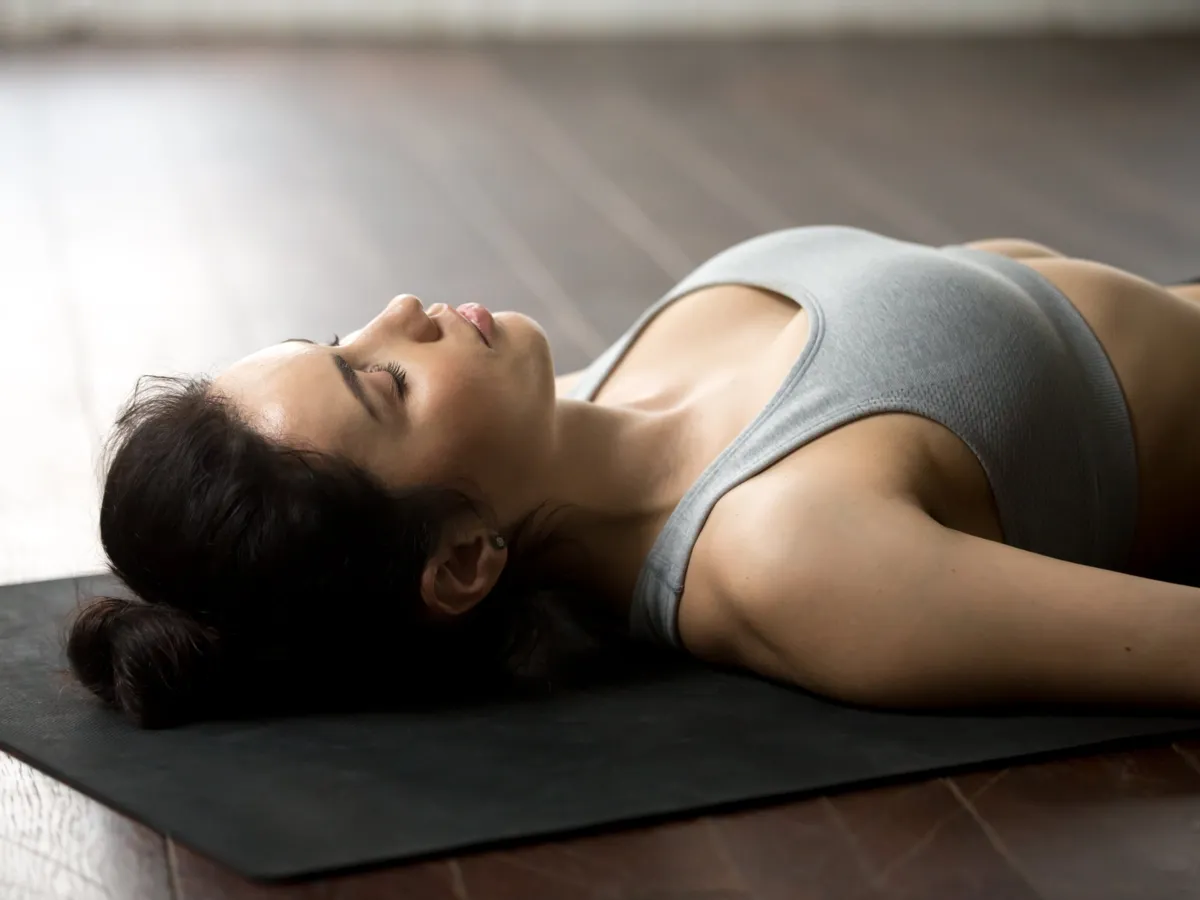
Sleeping on the back, also known as the supine position, is often recommended for its potential to reduce the risk of developing wrinkles and backaches. This position allows the spine, neck, and head to rest in a neutral position, which may help alleviate pressure points.
However, if you are prone to snoring or sleep apnea, sleeping on your back might not be the most suitable choice. The tongue can fall backward in the throat, possibly obstructing airways. If you prefer the back-sleeping position, consider trying a supportive pillow to maintain head alignment and slightly elevating your head to open airways.
The Side Sleeper
Side sleeping is among the more popular positions, and it might come with some notable benefits. Research suggests that this position can promote spinal alignment and reduce snoring. It may also be beneficial during pregnancy, particularly the left side, for improved blood flow to the fetus.
There are variations within side sleeping:
- Fetal Position: Curling up slightly can protect sensitive areas if you’re dealing with certain digestive issues like heartburn, though too tight a curl might restrict breathing in some individuals.
- Log Position: Keeping arms straight result in less stress on your shoulders.
Using a firm pillow can assist in maintaining spinal alignment, and placing a pillow between your knees could further support the natural curve.


Stomach Sleeper
Sleeping on the stomach isn’t commonly recommended due to the potential for neck strain and misalignment of the spine. However, it might have some advantages, such as reducing snoring by keeping airways open.
For those who find comfort in this position, using a very flat pillow or none at all may reduce neck strain. A pillow under your hips can also help to align the spine better.
Combination Sleeper
Many individuals do not fit into a single category and prefer changing positions throughout the night. This is entirely normal, and honoring your comfort and rest quality is most important.
If you shift between positions, consider pillows that offer adaptability and support to suit differing needs.
Factors to Consider
When choosing a sleeping position, several factors might influence your choice, including any existing health conditions, personal comfort, and bedding. The right mattress and pillows tailored to your preferred sleeping style can also play a crucial role in achieving comfort.
Expert Insights
According to Dr. Michael Breus, a clinical psychologist and sleep specialist, there’s no one-size-fits-all when it comes to sleep positions. Choosing the right position often comes down to listening to your body and falling into the alignment that feels most natural throughout the night.
Research, such as that published in the journal Sleep Medicine Reviews, emphasizes the importance of considering individual circumstances and the role of bedding in sleep posture.
Conclusion
The best sleeping position is a personal choice influenced by comfort, health conditions, and lifestyle habits. Exploring various positions and observing the impact on your sleep quality can guide you in determining what works for you.
Remember, if you’re experiencing persistent sleep problems or discomfort, consulting with a healthcare or sleep professional may provide you with valuable insights tailored to your needs.

