


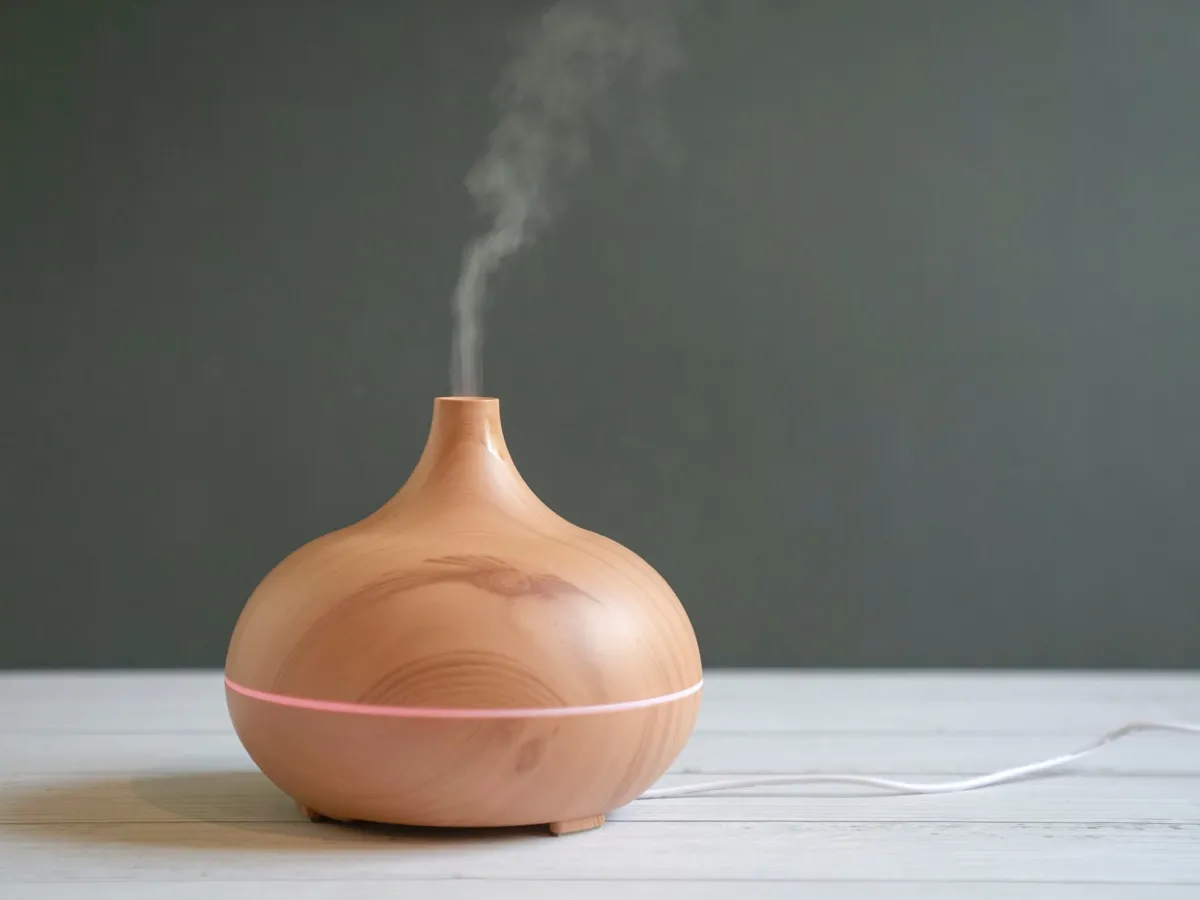
Aromatherapy is a popular practice in wellness and lifestyle optimization. Essential oil diffusers are a common tool used to distribute therapeutic scents throughout a space. While they can offer a pleasant and potentially beneficial experience, it is essential to use diffusers safely to ensure both personal safety and the longevity of the device.
Choosing the Right Diffuser
There are several types of diffusers available:
-
Ultrasonic Diffusers: These use water and ultrasonic waves to disperse essential oil molecules into the air. They often double as humidifiers, adding moisture to the air.
-
Nebulizing Diffusers: These do not use water. They break the essential oils into small particles and disperse them purely in the air, offering a more intense aroma.
-
Evaporative Diffusers: In this type, a fan helps disperse the essential oil as it evaporates from a pad or filter.
-
Heat Diffusers: They use heat to evaporate the essential oils.


Consider the room size, the intensity of the fragrance desired, and the need for humidification when choosing your diffuser.
General Safety Tips
-
Read the Manual: Each diffuser model is unique. Refer to the manufacturer’s instructions regarding proper care and usage.
-
Use Quality Oils: Ensure your oils are 100% pure and are free from additives. Synthetic oils can sometimes cause adverse reactions or damage the diffuser.
-
Dilute Properly: If your diffuser uses water, ensure you add the correct amount as specified in the manual; too concentrated oils may overpower and irritate.
-
Limit Usage Time: Prolonged exposure isn’t necessarily better. Some suggest diffusing for 30-60 minutes, followed by an hour break.
Considerations for Pets and Children
Essential oils can affect children and pets more intensely than adults. Always ensure that the oils used are safe for every family member, including animals. According to the ASPCA, some essential oils like tea tree or eucalyptus can be harmful to pets.
It might be helpful to start with shorter diffusion times in homes with children and animals and monitor for any adverse reactions.
Maintenance and Storage
-
Regular Cleaning: Essential oils can leave residues. Clean your diffuser regularly according to the manufacturer’s instructions to prevent build-up and ensure it functions efficiently.
-
Proper Storage: Store essential oils in a cool, dark place to prolong their shelf life. This will also help maintain their effectiveness and reduce the risk of spoilage.
Creating a Safe Atmosphere
When using a diffuser, make sure the room is well-ventilated. This lessens any potential discomfort that might come with breathing in the concentrated aroma. Start with a few drops to gauge tolerance, especially if you’re new to aromatherapy.
Research and References
Research into the benefits of diffusing essential oils is ongoing. Some preliminary studies, such as those discussed in the International Journal of Nursing Practice, suggest potential benefits in areas such as stress reduction. However, it’s crucial to approach these findings with cautious optimism and to recognize that more comprehensive research is necessary.
Incorporating diffusers into your wellness routine can be a lovely way to enhance your living space. By using them safely and being mindful of those around you, you can enjoy the subtle benefits that aromatherapy may offer.
Remember, personal experiences with essential oils will vary, and it is always advisable to consult with a knowledgeable practitioner or healthcare provider, especially when uncertain about their use or effects.

