


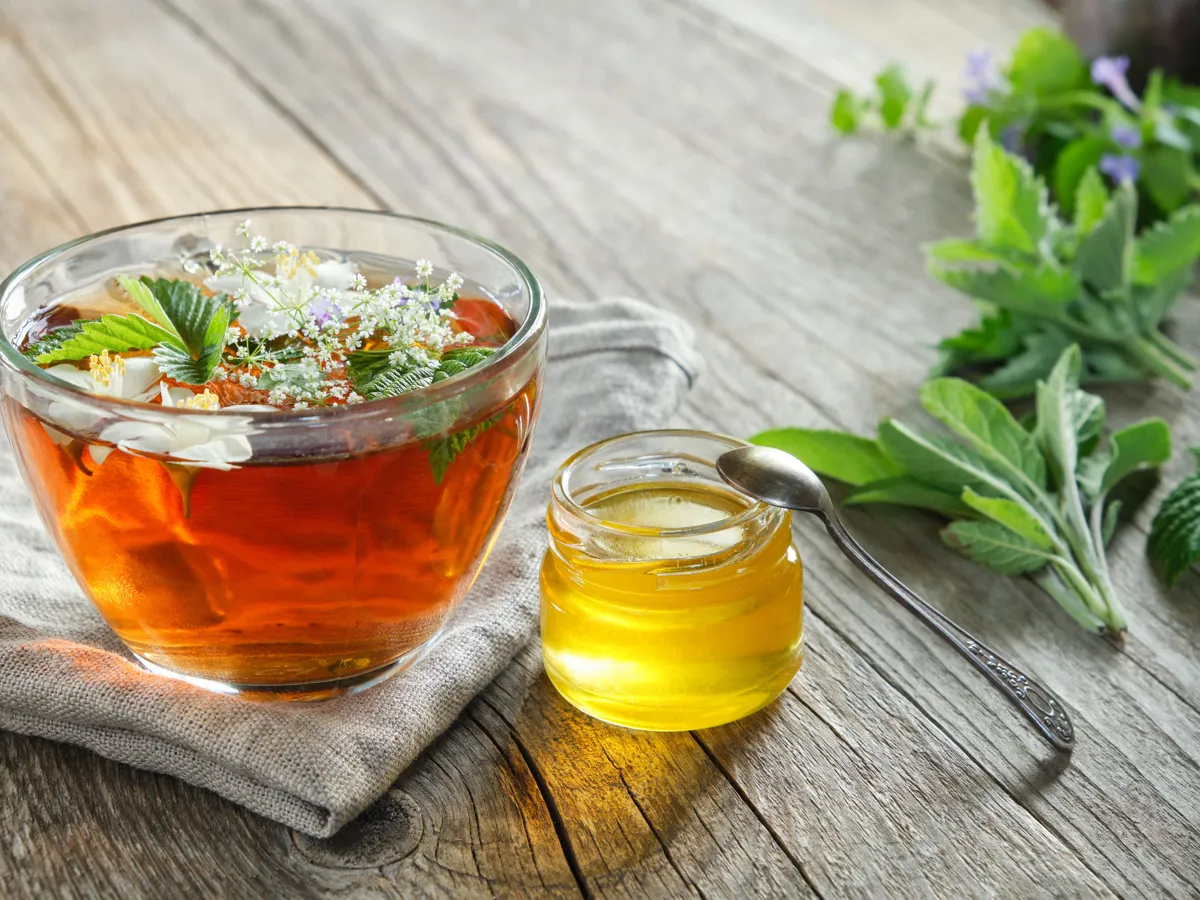
Herbal medicine, often rooted in ancient traditions, has gained popularity in recent years as people seek natural ways to enhance their well-being. However, as with any form of treatment, the safety of herbal remedies is a crucial consideration.
Understanding Herbal Medicine
Herbal medicine involves using plants or plant extracts for medicinal purposes. These can be in the form of teas, capsules, tablets, or tinctures. While many people find comfort in these natural options, it’s essential to understand their potential effects on the body.
The Appeal of Herbal Remedies
People often turn to herbal remedies for various reasons:
- Cultural Traditions: Many cultures incorporate herbs into their traditional healing practices.
- Perceived Naturalness: Herbs are often viewed as a safer, more natural alternative to pharmaceuticals.
- Accessibility: Herbal products are readily available and often don’t require a prescription.
Safety Concerns with Herbal Medicine
Despite their benefits, herbal medicines can pose risks if not used correctly:


- Lack of Regulation: Unlike pharmaceutical drugs, herbal products are not always strictly regulated. This can result in variations in quality and potency.
- Possible Contaminants: Some herbal products may contain contaminants, including heavy metals or pesticides.
- Interactions with Other Medications: Herbs can interact with conventional medications, potentially leading to adverse effects. For example, St. John’s Wort is known to interact with antidepressants and certain blood thinners.
Research and Evidence
Scientific research on herbal medicine differs widely. Some herbs have been extensively studied, while others lack substantial research. For example:
- Ginkgo Biloba: Often used to improve cognitive function, some studies suggest it may enhance memory, but results are mixed.
- Echinacea: Popular for boosting the immune system, especially during flu season. Research shows it might reduce cold symptoms, yet not all studies agree.
Practical Tips for Safe Use
- Consult Healthcare Professionals: It’s wise to talk with a doctor or pharmacist before starting any herbal regimen, especially if you’re already on medication.
- Research Reputability: Choose products from reputable companies that adhere to quality standards.
- Be Aware of Dosages: Follow recommended dosages to minimize the risk of side effects.
- Watch for Allergic Reactions: Discontinue use and consult a healthcare provider if any adverse reactions occur.
Conclusion
Herbal remedies can be a valuable part of a wellness routine. However, their safety depends on informed use and consideration of individual health needs. If approached with care and respect for their potential, herbs can be a meaningful addition to personal health strategies. Remember, being informed and cautious is key when integrating herbal medicine into your lifestyle.
For more information on herbal medicine and its safety, consulting reliable sources such as the National Center for Complementary and Integrative Health (NCCIH) can provide valuable insights.

