


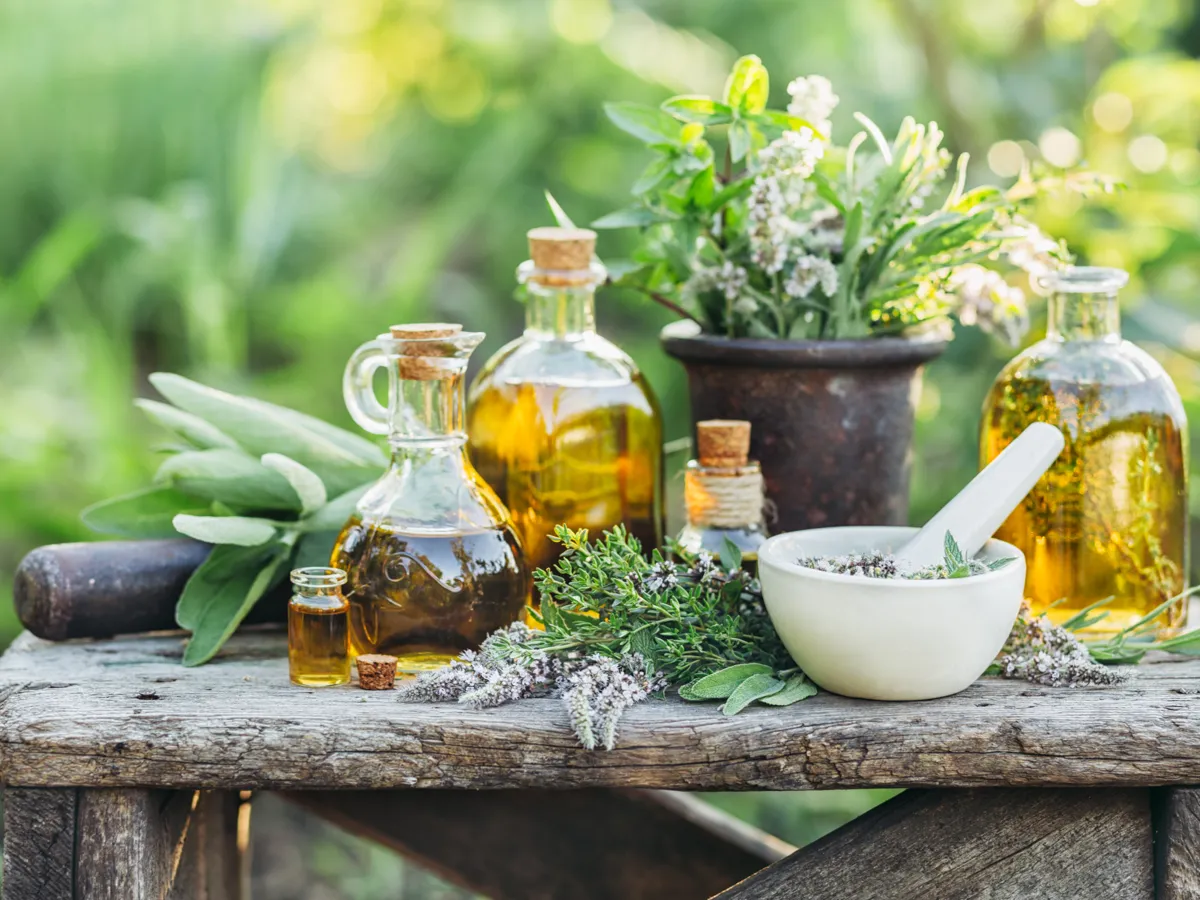
Welcome to our Essential Oils Guide, where we explore the various aromas and potential benefits of essential oils as part of aromatherapy. This guide aims to provide insights into essential oils, their uses, and how they can fit into a wellness and lifestyle optimization routine.
What Are Essential Oils?
Essential oils are concentrated extracts taken from plants, capturing their natural scent and flavor - or “essence.” These oils are obtained through methods like distillation or cold pressing. The oils can be used aromatically, topically, or even ingested, although it’s crucial to use them safely and to consult a health professional if you’re considering ingestion.
Popular Essential Oils
1. Lavender Oil
Lavender is well-known for its potential calming properties. It’s often used in diffusers and bath products to encourage relaxation and potentially improve sleep quality. Some small studies suggest lavender oil might help in reducing anxiety and improving sleep, although results can vary widely.
2. Peppermint Oil
Peppermint oil has a refreshing scent and is often used to invigorate the senses. It’s sometimes applied topically for potential relief of headaches or muscle pain. However, it’s important to dilute peppermint oil properly to avoid skin irritation.


3. Tea Tree Oil
Known for its potential antibacterial properties, tea tree oil is commonly found in skin care products aimed at addressing blemishes. However, it can be potent, so it’s important to conduct a patch test or consult a healthcare provider before wide usage.
4. Eucalyptus Oil
With its sharp and pungent aroma, eucalyptus oil is sometimes used in cold and cough remedies. It may help in clearing airways when diluted and applied topically or added to a diffuser, although evidence to support these effects is limited and should be approached with measured expectations.
How to Use Essential Oils
-
Diffusion: Adding a few drops of essential oil to a diffuser can fill a room with its aroma. This method is popular for promoting relaxation or refreshing a space.
-
Topical Application: Essential oils can be applied to the skin but should be diluted with a carrier oil, such as coconut or jojoba oil, to prevent irritation.
-
Baths: Add a few drops to your bathwater for potentially soothing effects, ensuring oils are well mixed with Epsom salts or milk to evenly distribute them in water.
-
Inhalation: A few drops on a tissue or in a bowl of hot water can be used for steam inhalation, but caution is advised for those with respiratory conditions.
Safety Considerations
While essential oils are natural, they aren’t without potential risks. It’s essential to research and possibly consult with a healthcare professional before use, especially if you have allergies, are pregnant, or are considering internal use. Remember, just because a product is natural doesn’t mean it can’t be potent.
Conclusion
Essential oils offer a range of aromas and potential benefits that can complement a wellness routine. While their effects can vary from person to person, they provide an alternative approach to enhancing wellness and creating a pleasant home environment.
As with any wellness practice, it’s important to keep an open mind and not set extremely high expectations. The journey with essential oils can be personal and evolving, and this guide serves as a foundational step into that exploration.
For further reading and research references, you may wish to explore articles on the National Center for Complementary and Integrative Health website or consult reviews and studies found in peer-reviewed journals.
This guide is intended to inform but should not replace professional medical advice or treatment.

