


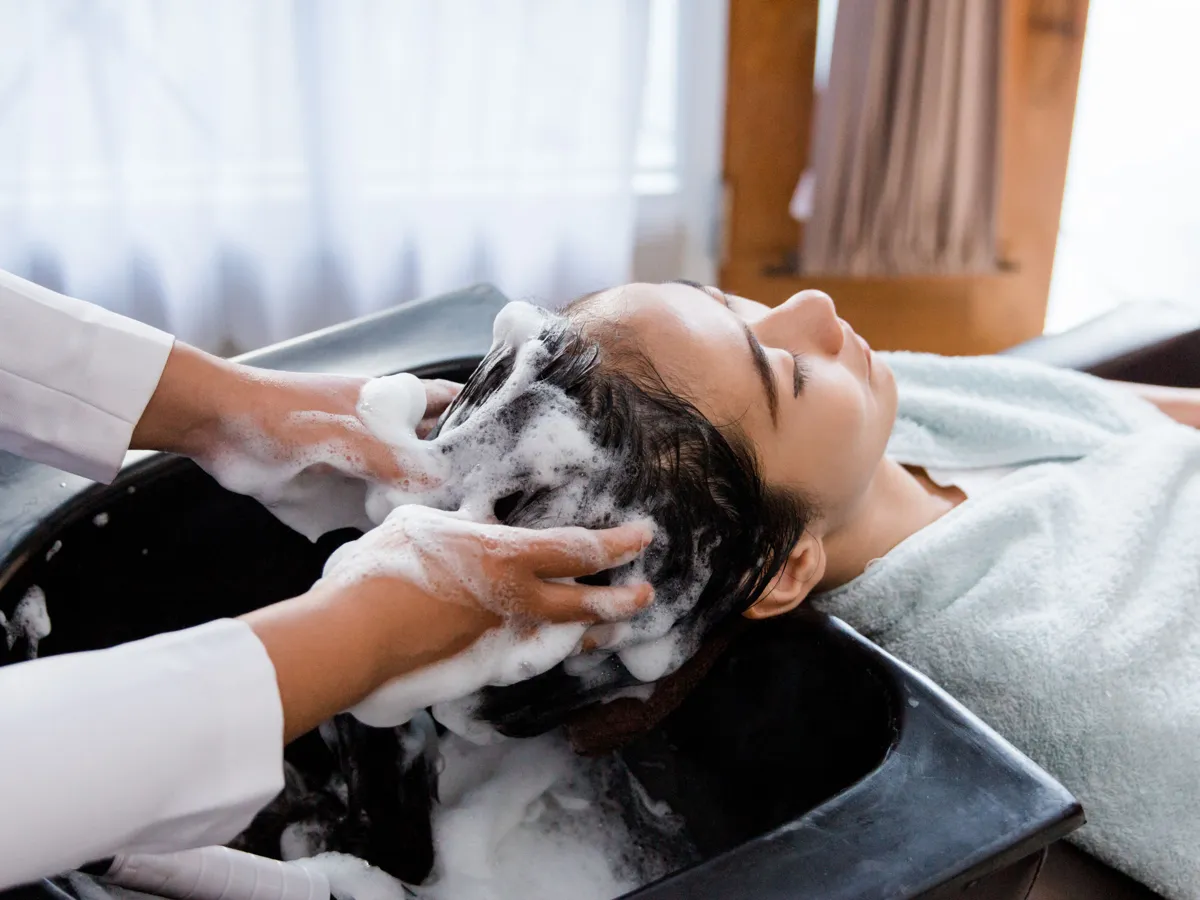
Hair loss is a concern that touches many of us at some point in our lives. It’s a sensitive topic, often surrounded by myths and misconceptions. We’re here to offer some friendly advice that might help you in managing and possibly preventing hair loss. It’s important to acknowledge that even the most diligent hair care routines can’t guarantee results, but they can certainly promote healthier hair and scalp.
Understanding the Basics
Before diving into tips and strategies, it’s valuable to understand that hair loss can be influenced by several factors:
- Genetics: One of the most common causes is androgenetic alopecia, also known as male or female pattern baldness.
- Hormonal Changes: Events like pregnancy, childbirth, menopause, and thyroid problems can affect hair.
- Medical Conditions: Scalp infections and diseases like alopecia areata or lupus can contribute.
- Medications and Supplements: Drugs used for cancer, arthritis, depression, heart problems, and other conditions can lead to hair loss.
- Stress and Lifestyle: Physical or emotional shock can trigger hair thinning.
Healthy Diet and Nutrition
Adopting a balanced diet is possibly one of the easiest ways to maintain healthy hair. Your intake should include:
- Protein: Hair is primarily made up of protein. Good sources include eggs, nuts, fish, and lean meats.
- Vitamins and Minerals: Iron, vitamins A, C, D, and E, zinc, and omega-3 fatty acids are key. Foods such as spinach, berries, sweet potatoes, and avocados can be beneficial.
- Hydration: Water is essential for nutrient transportation and maintaining hair health.
Hair Care Practices
Gentle hair care techniques may seem simple, but they can make a difference:


- Washing Frequency: Too often or too infrequently can be harmful. Adjust based on your hair type and scalp condition.
- Gentle Products: Opt for sulfate-free, mild shampoos and conditioners. Avoid harsh chemicals whenever possible.
- Hair Tools: Limit the use of hot styling tools like blow dryers, straighteners, and curlers. If you must use them, apply a heat protectant beforehand.
- Brushing: Use a wide-tooth comb to detangle. Avoid brushing when wet, as hair is more vulnerable to breakage.
Scalp Health
A healthy scalp is essential for healthy hair growth:
- Regular Massage: Gently massaging your scalp can stimulate blood circulation, which might promote healthier hair.
- Avoid Tight Hairstyles: Styles that pull on the scalp like tight ponytails or braids can cause traction alopecia.
Lifestyle Considerations
Lifestyle is another area to explore when addressing hair health:
- Stress Management: Meditation, yoga, and regular exercise could help manage stress and reduce its impact on hair.
- Adequate Sleep: Ensuring sufficient sleep allows your body to repair and regenerate cells, including those that contribute to hair growth.
Medical Advice and Treatments
If you notice unusual hair loss or thinning, consulting with a healthcare provider or dermatologist is a good step. They might recommend:
- Minoxidil: Marketed under the name Rogaine, it can stimulate hair growth.
- Finasteride: Used for men, it reduces hair loss by inhibiting hormone production.
- Therapies: Laser therapy and hair transplantation are options for some individuals.
Conclusion
Preventing hair loss isn’t about miraculous changes but about adopting a nurturing approach towards your hair and body. Remember, each individual is different, and what works for one person might not work for another. It’s okay to explore and be patient with finding a routine that suits you.
For more personalized advice, consider reaching out to a professional who can provide insights tailored to your specific situation. Be kind to your hair and yourself—it’s all part of a journey towards wellness and lifestyle optimization.

