


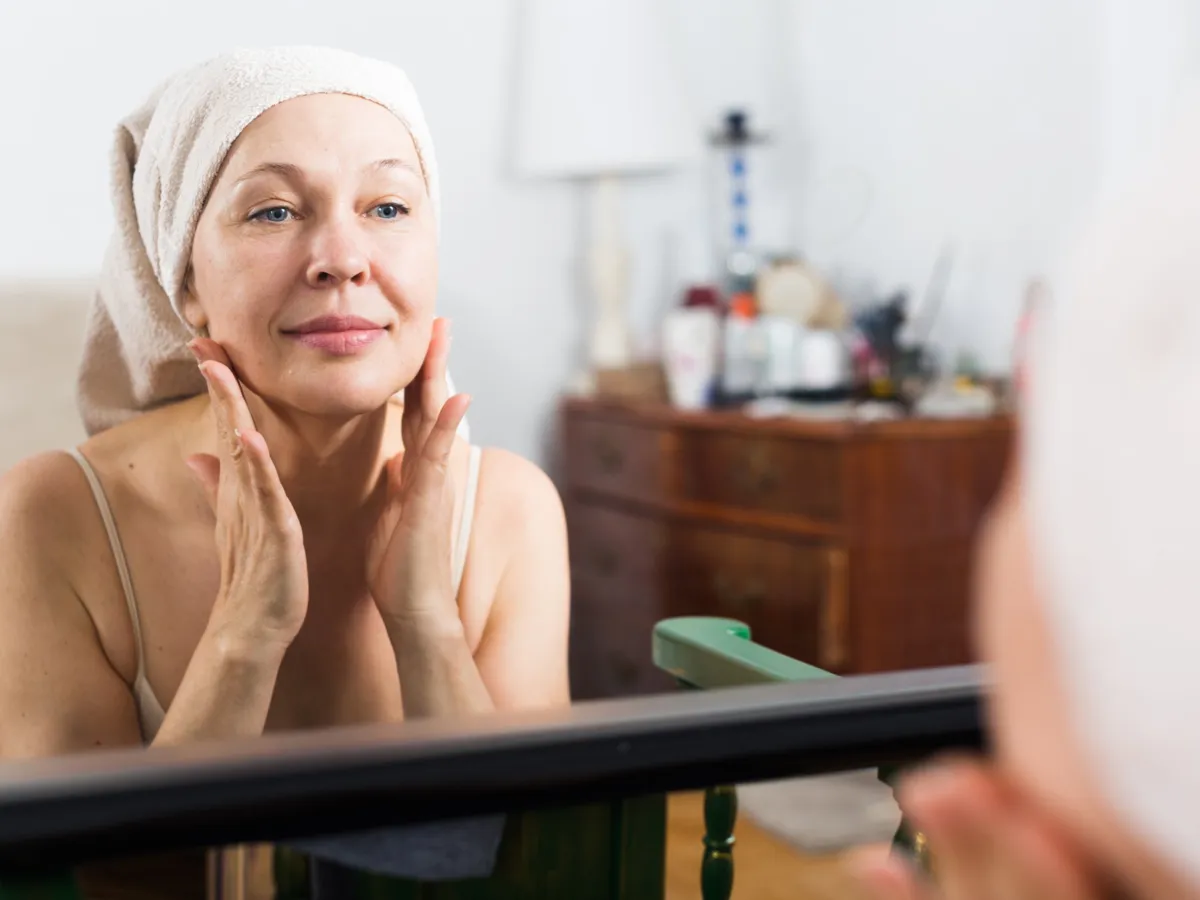
Aging is a natural part of life, something we all experience but may approach differently. As skin is the body’s largest organ and often one of the first to show visible signs of aging, many of us seek ways to maintain its health and vitality. While we cannot stop the aging process, there are thoughtful steps we can take to support our skin’s well-being.
Understand Your Skin
Before diving into skincare routines, it’s helpful to know your skin type. Whether it’s oily, dry, combination, or sensitive, this essential knowledge will guide your choices in skincare products and practices.
Protection from the Sun
Sun damage is one of the leading causes of premature aging. Dermatologists often emphasize using sunscreen daily, regardless of the weather. Choose a broad-spectrum sunscreen with an SPF of at least 30 and apply it generously to all exposed skin. Reapply every two hours if you’re outdoors for extended periods.
The Skin Cancer Foundation states that regular use of sunscreen can reduce the risk of skin cancer and prevent early skin aging caused by the sun.
Stay Hydrated
Adequate hydration is beneficial for general health and maintaining skin elasticity. Drink plenty of water throughout the day to keep your skin hydrated and plump. Incorporating a humidifier into your living space can also help provide additional moisture, especially in dryer climates or during winter months.


Healthy Diet
A balanced diet rich in antioxidants, vitamins, and essential fatty acids plays a vital role in skin health. Foods such as berries, nuts, salmon, and leafy greens provide nutrients that support skin’s structural integrity and brightness.
A study published in the “Journal of the American College of Nutrition” highlights the importance of vitamins C and E in combating skin damage from environmental stressors.
Moisturize Regularly
Incorporate a moisturizer tailored to your skin type into your routine. Moisturizers help to maintain the skin’s barrier function, trapping water and preventing dryness.
For those with mature skin, look for products containing hyaluronic acid or glycerin, known for their effective hydrating properties. Some people may also appreciate adding a retinol product, which can promote skin renewal, though results may vary.
Gentle Cleansing
Gentle cleansing removes dirt and oil while preserving vital moisture. Opt for a mild cleanser and avoid harsh scrubbing that can irritate the skin. Cleansing in the morning and evening can help maintain balance without stripping essential oils.
Get Adequate Sleep
Sleep allows the skin time to repair and regenerate. Inadequate rest may result in dark circles, fine lines, and a dull complexion. Aim for seven to nine hours of quality sleep per night and consider keeping a consistent sleep schedule when possible.
Manage Stress
Chronic stress can accelerate the aging process by releasing hormones that may negatively affect skin health. Mindfulness techniques such as meditation, yoga, or deep breathing exercises can provide relief and support overall wellness.
Consider Professional Advice
Seeking advice from a dermatologist or skincare professional can provide personalized recommendations tailored to individual skin needs. They can also assist in identifying safe and effective products or treatments to incorporate into your regimen.
Conclusion
Taking care of your skin as part of an anti-aging approach is as much about cultivation as it is about prevention. Simple daily habits, combined with well-thought-out skincare routines, can contribute to a vibrant and healthy appearance. Each person’s journey is unique, and occasional adjustments may be necessary as you learn more about what resonates with your skin.
Remember, the beauty of aging lies in embracing it gracefully while making informed choices about skincare and lifestyle.

