


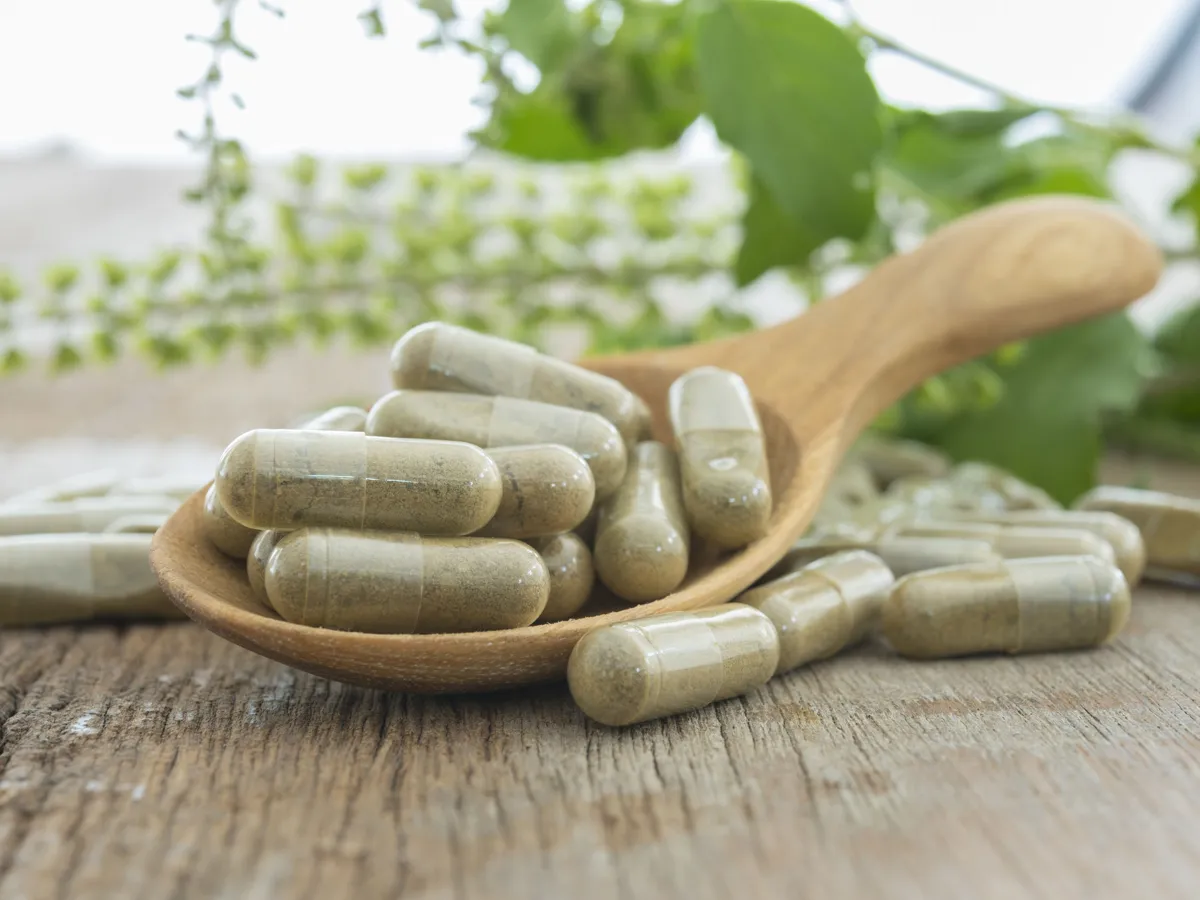
Welcome to the Herbal Remedies section of PopularHealth.com, where we explore various facets of wellness and lifestyle optimization. In this guide, we’ll delve into the world of herbal supplements, providing insights into their uses, benefits, and considerations.
What are Herbal Supplements?
Herbal supplements are products made from plants or a combination of plants, used for their aroma, flavor, or therapeutic properties. They come in various forms, including teas, capsules, powders, tinctures, and extracts.
The use of herbs for medicinal purposes dates back thousands of years and is deeply rooted in many cultures. These supplements are regarded as a natural approach to supporting health and well-being.
Common Herbal Supplements and Their Uses
-
Echinacea
Often used to enhance the immune system and reduce symptoms of colds and flu. Some studies suggest it may decrease the duration and severity of these illnesses, though results can vary. -
Ginkgo Biloba
Believed to support cognitive function and improve memory by increasing blood flow to the brain. Research is ongoing, and while some studies show positive effects, others find minimal benefits. -
St. John’s Wort
Traditionally used for mood regulation, particularly in managing mild to moderate depression. It may interact with prescription medications, so consulting with a healthcare provider is crucial. -
Turmeric
Contains curcumin, a compound with anti-inflammatory properties. It’s popular for supporting joint health, but absorption in the body can be limited. Pairing with black pepper may increase its efficacy. -
Garlic
Known for its cardiovascular benefits, garlic may help maintain healthy blood pressure and cholesterol levels. Some studies support these claims, but individual results may differ.


Considerations Before Use
While herbal supplements can offer supportive benefits, they should be approached with care. Here are some considerations:
-
Consult with a Healthcare Provider: It’s essential, especially if you’re pregnant, nursing, or taking other medications. Herbal supplements can interact with pharmaceuticals.
-
Quality and Purity: Choose products from reputable manufacturers. Look for third-party testing to ensure the product is free from contaminants and accurately labeled.
-
Personal Responsiveness: Individuals may respond differently to the same herb, and what works for one person may not work for another. It’s important to monitor your body’s responses.
Current Research and References
Research into the effectiveness and safety of herbal supplements is ongoing. Here are a few resources that may provide more information:
-
National Center for Complementary and Integrative Health (NCCIH): nccih.nih.gov
-
Herbs at a Glance: sciencebasedmedicine.org/herbal-medicine
-
PubMed: A trustworthy database for research articles on herbal supplements (pubmed.ncbi.nlm.nih.gov)
The Personal Touch
Acknowledging the ancient wisdom behind herbal remedies can be both enlightening and empowering. Trying herbal supplements for personal wellness can be a journey of exploration. Listen to your body, consult the advice of healthcare professionals, and enjoy the discovery.
Remember, while the potential of herbal supplements is vast, they are not a replacement for professional medical advice or treatment. Approach them as part of a broader strategy for health where conventional and alternative practices can complement each other.
We hope this guide has provided you with a helpful overview of herbal supplements. Feel free to explore further and continue your path toward wellness and lifestyle optimization.

