


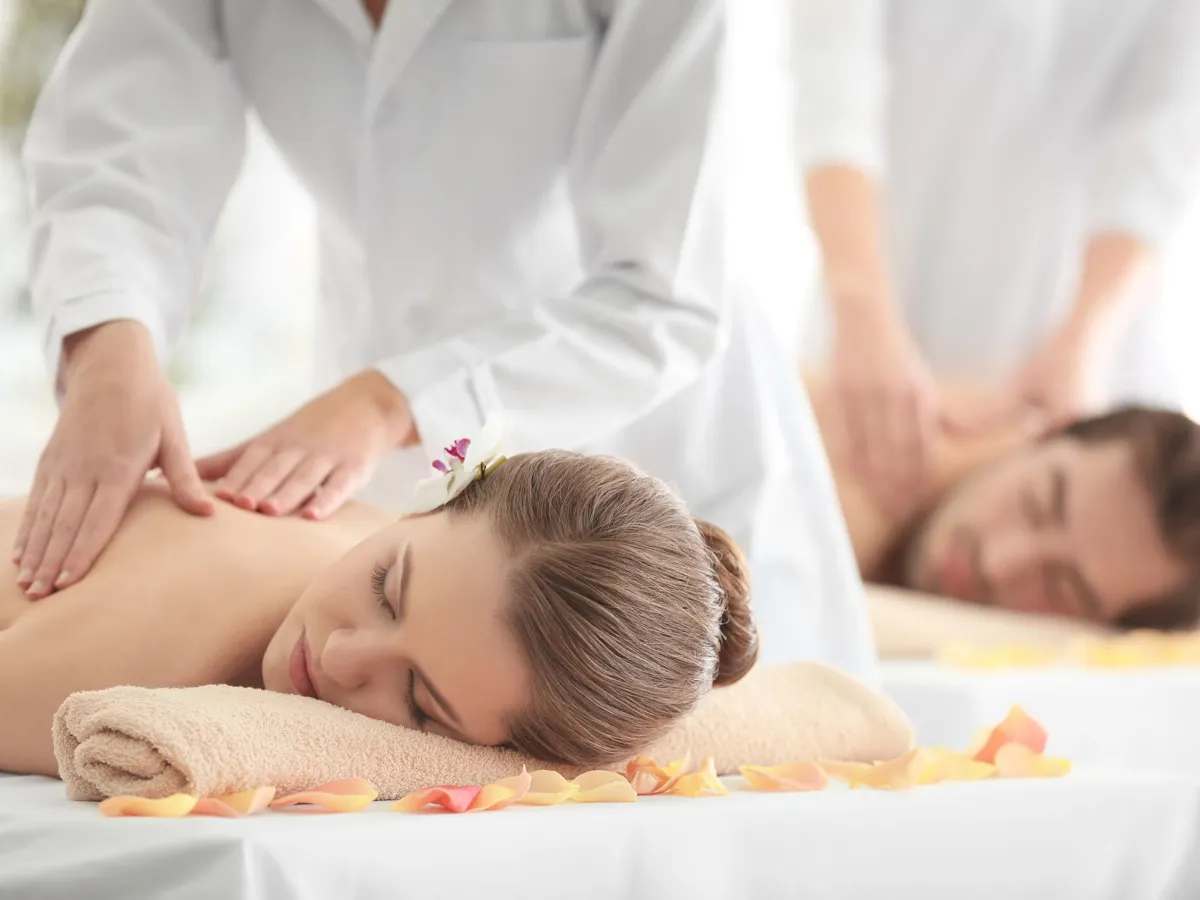
Massage therapy has been part of wellness traditions across cultures for centuries. Whether it’s through the use of pressure points, kneading, or gentle strokes, the goal is often to alleviate tension and promote a sense of relaxation and well-being. In this article, we’ll explore some of the many potential benefits of massage therapy.
Promotes Relaxation
One of the most immediate benefits of massage therapy is relaxation. After a session, many people report feeling calmer and more at ease. This is partly because massage helps reduce cortisol levels, the hormone associated with stress, while increasing serotonin and dopamine, which contribute to improving mood.
Personal Note
When I first tried massage therapy, I was skeptical. However, the simple act of taking an hour for myself in a calm environment worked wonders on my stress levels.
Alleviates Muscle Tension
Massage can loosen tight muscles, improve blood circulation, and increase flexibility. These effects may help relieve discomfort from everyday activities or more strenuous workouts. Techniques like Swedish massage or deep tissue can address areas of chronic tension.
Example
Consider athletes who use massage as a regular part of their training regimen to help manage muscle recovery. While not a substitute for medical treatment, it can be an effective supplementary approach.


Improves Sleep
Regular massage therapy sessions may lead to improved sleep patterns. By reducing stress and tension, massage can encourage a more restive state. For people suffering from insomnia or sleep disturbances, this can be a notable benefit.
Research Note
A 2015 study published in the journal Sleep Medicine Reviews indicated that massage therapy has the potential to improve sleep quality, particularly among people experiencing chronic pain or stress-related insomnia.
Supports Immune Function
Some studies suggest that massage could have positive effects on immune function. By reducing stress, which is known to suppress the immune system, massage might indirectly support the body’s ability to fend off illness.
Research Example
A study from The Journal of Alternative and Complementary Medicine in 2010 found that recipients of Swedish massage experienced changes in lymphocytes, which are part of the immune system, pointing to possible immune-enhancing effects.
Enhances Mental Well-being
Beyond the physical benefits, massage is often associated with improvements in mental health, including reduced anxiety and depression symptoms for some individuals. The tactile experience of massage could help foster a connection with the body, which is beneficial for mental clarity.
Personal Reflection
I’ve found that even a short massage can leave me with a clearer mind, perhaps due to the forced pause from daily life and the soothing physical contact.
Encourages Body Awareness
Attending regular massage sessions can increase one’s awareness of their own body. It might help you notice postural habits or areas of chronic tension that you weren’t previously aware of. With increased body awareness, it may be easier to make lifestyle or ergonomic changes that contribute to better health.
Considerations and Recommendations
While massage therapy offers a range of potential benefits, it is important to approach it with realistic expectations. It isn’t a substitute for medical treatments. Always consult with a healthcare provider if you have health concerns or conditions.
Additionally, not all massage practitioners or techniques are the same. It may take trying a few different types or therapists to find what works best for you.
Conclusion
Incorporating massage therapy into your wellness routine could bring a sense of balanced physical and mental health, but it’s just one part of a holistic approach to well-being. Always take the time to listen to your body and mind, and combine massage with other healthful practices like nutrition, exercise, and mindfulness.
As you explore this therapy, remember to be kind to yourself, and enjoy every step of the journey toward wellness and lifestyle optimization.

