


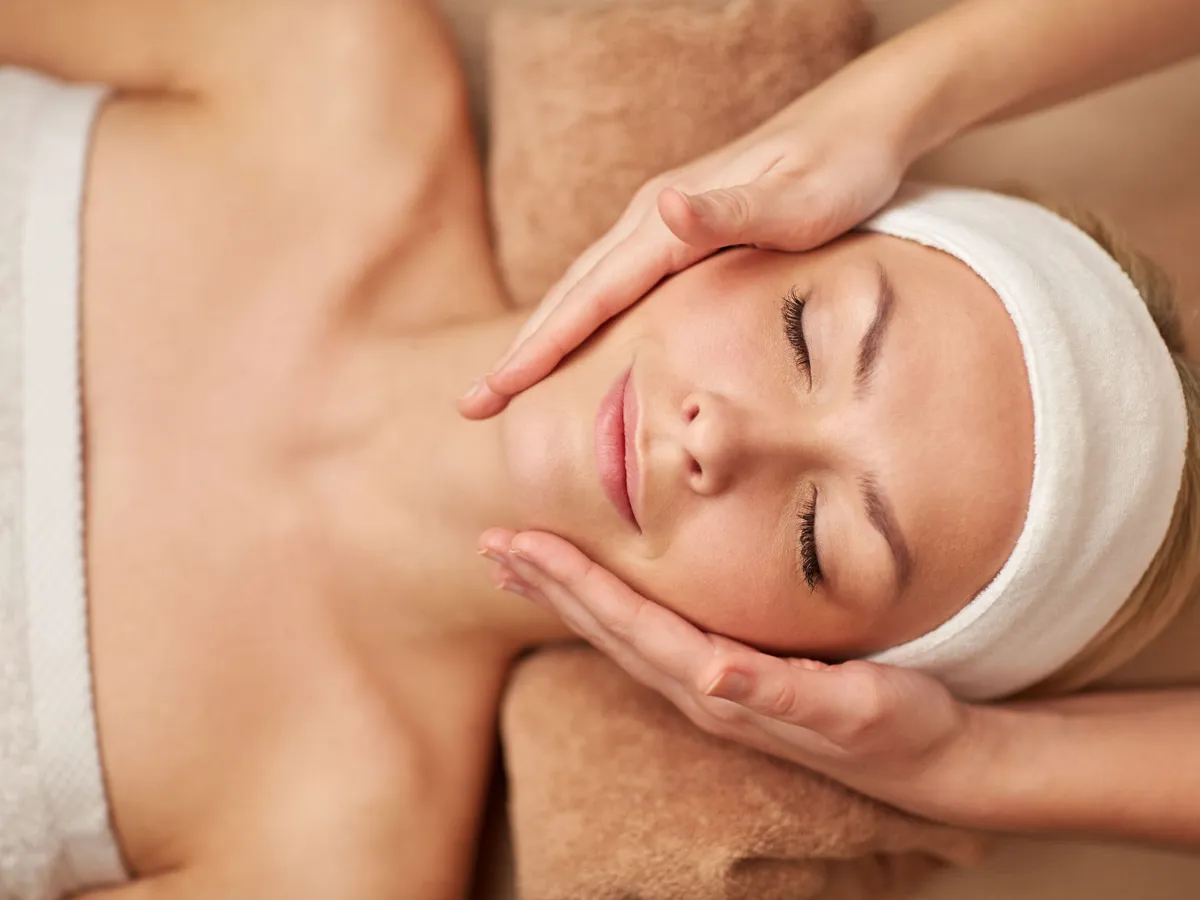
At PopularHealth.com, we delve into various facets of wellness and lifestyle optimization. One intriguing realm in this spectrum is massage therapy, nestled under our alternative therapies category. It is a practice rooted in ancient traditions and molded by cultures across the globe. Here, we’ll explore several types of massage therapy, each with its distinct characteristics, benefits, and origins.
Swedish Massage
Swedish massage is perhaps one of the most commonly known forms of massage therapy. It is characterized by long, flowing strokes that aim to relax, invigorate, and rejuvenate the body. Originating from Sweden, the technique promotes circulation and helps relieve muscle tension. According to a study published in the “International Journal of Preventive Medicine,” Swedish massage has been shown to improve mood and reduce anxiety levels in some individuals.
Key Techniques:
- Effleurage: Gentle, gliding strokes
- Petrissage: Kneading the muscles
- Friction: Firm, circular movements
- Tapotement: Rhythmic tapping
Deep Tissue Massage
Deep tissue massage focuses on the deeper layers of muscles and connective tissue. It applies slow, deliberate strokes to target areas of stiffness or tension. This method can be beneficial for individuals with chronic pain or lingering injuries. A 2014 study in “Evidence-Based Complementary and Alternative Medicine” suggested that deep tissue massage might assist in reducing pain perception and improving mood in those suffering from chronic pain.
Ideal for: Chronic pain, injury recovery
Key Techniques:
- Deep finger pressure
- Firm strokes across the muscles


Hot Stone Massage
The hot stone massage is another popular modality where heated, smooth stones are placed on specific parts of the body. These stones can help warm tight muscles and are often used in conjunction with other techniques to enhance relaxation. This type of massage is often praised for promoting deep relaxation and sleep improvements.
Benefits:
- Relaxation
- Stress reduction
- Enhanced blood flow
Shiatsu
Shiatsu is a form of Japanese bodywork based on similar principles as acupuncture. It involves applying pressure to key points on the body, enhancing energy flow and balancing the body’s internal systems. This form of massage does not typically involve oil and is performed on a mat or futon. Shiatsu has been associated with reducing stress and contributing to an overall sense of well-being.
Unique Features:
- Pressure from fingers and palms
- Focus on energy pathways
Thai Massage
Thai massage, unlike other modalities, combines acupressure, assisted yoga postures, and deep stretching. It is often described as more energizing and rigorous, typically performed on the floor, and practitioners use their hands, elbows, knees, and feet. Participants often find the method helpful for flexibility and energy flow.
Core Elements:
- Stretching techniques
- Alignment of the body
Aromatherapy Massage
Aromatherapy massage is a therapeutic method where essential oils are used to enhance the benefits of massage. Tailored to personal goals and needs, it may promote relaxation, pain relief, or mood improvement. In a 2013 study published in “Health Psychology Review,” aromatherapy was found to evoke positive psychological responses in many users.
Components:
- Use of essential oils
- Customized blends for relaxation or invigoration
Reflexology
Reflexology is grounded in the idea that specific points on the feet, hands, and ears correspond to different body organs and systems. Reflexologists apply specific touch techniques to these areas. Although research is limited, practitioners often advocate for its potential in promoting overall health and well-being.
Focus Areas:
- Feet, hands, and ears
- Energy pathways
Conclusion
The world of massage therapy is rich and varied, offering multiple avenues for relaxation and support. While the effectiveness of each massage type can vary across individuals, exploring different methodologies may reveal a suitable match for one’s unique needs. As with any therapy, it’s wise to consult with a healthcare professional before pursuing massage as part of your wellness routine.
It’s empowering to learn about these different styles and consider how they might offer a little help or comfort. Always enjoy exploring with an open mind.

