


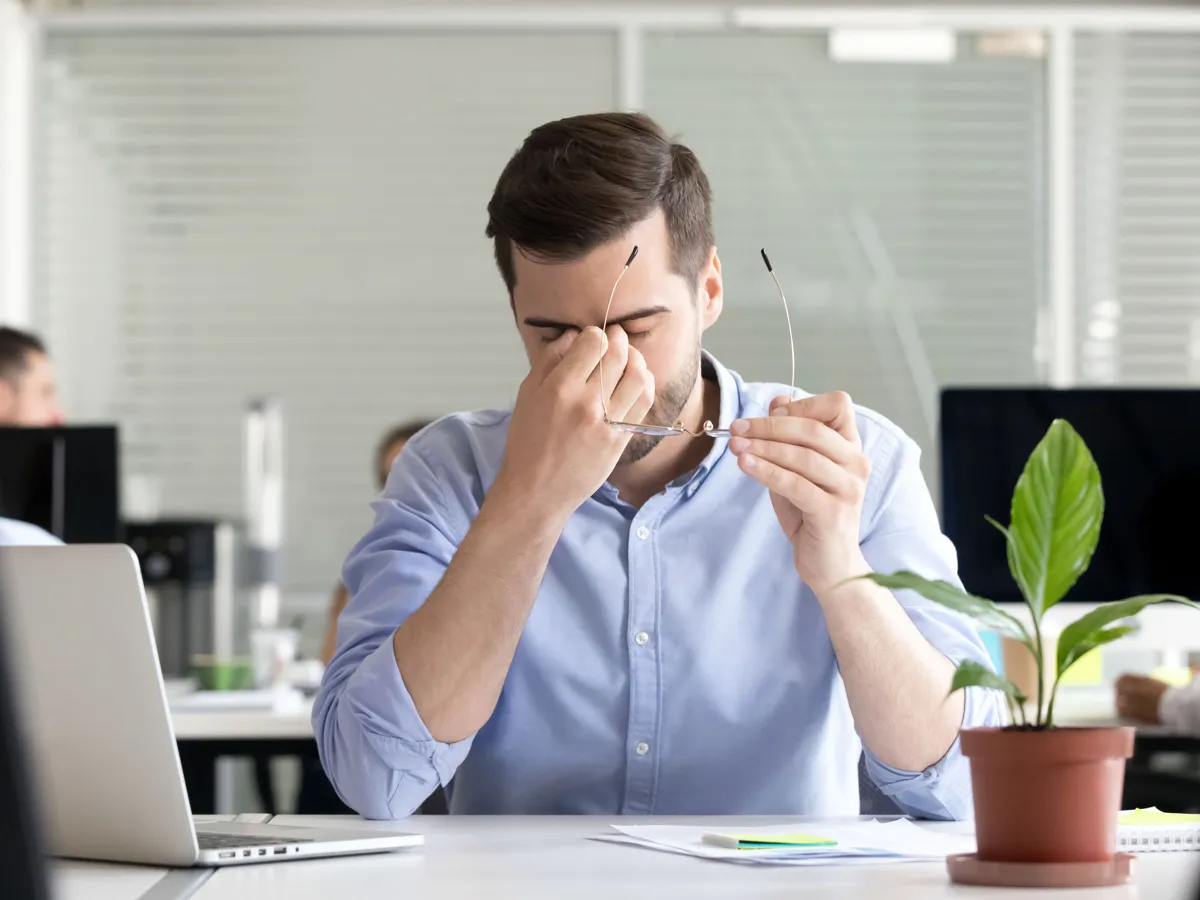
Welcome to our comprehensive guide on narcolepsy, a fascinating yet often misunderstood sleep disorder. In this article, we aim to provide a thorough understanding of the condition, its symptoms, causes, and available management strategies. Our goal is to present the information in a way that’s approachable and easy to grasp.
Understanding Narcolepsy
Narcolepsy is a chronic neurological disorder that affects the brain’s ability to control the sleep-wake cycle. People with narcolepsy may feel rested after waking, but then feel excessively sleepy throughout much of the day. This can significantly impact daily activities and quality of life.
Key Symptoms
Excessive Daytime Sleepiness (EDS)
EDS is the primary symptom of narcolepsy and often the most debilitating. It involves an overwhelming sense of sleepiness during the day, regardless of the amount of sleep you get at night. This can lead to unexpected bouts of sleep, known as “sleep attacks.”
Cataplexy
Cataplexy affects approximately 60-70% of those with narcolepsy. It involves sudden, brief episodes of muscle weakness, often triggered by strong emotions like laughter or surprise. These episodes can vary from minor muscle weakening to complete loss of muscle control.


Sleep Paralysis
This symptom is characterized by the temporary inability to move or speak while falling asleep or waking up. While not dangerous, sleep paralysis can be frightening, as you’re conscious but immobile for a short period.
Hallucinations
People with narcolepsy might experience vivid and often frightening hallucinations when falling asleep or waking up. These are distinct from dreams and occur in the transition between wakefulness and sleep.
Root Causes
The exact cause of narcolepsy isn’t fully understood, but research suggests it might be linked to a deficiency of hypocretin—also known as orexin—a brain chemical that regulates wakefulness. It is believed that an autoimmune response, possibly triggered by genetic factors or environmental influences, may play a role.
Genetic Factors
Genetic predisposition seems to contribute to narcolepsy. The presence of a particular genetic marker known as HLA-DQB1*06:02 is often associated with increased risk.
Environmental Influences
Infections, stress, or changes in sleep patterns might also trigger narcolepsy in susceptible individuals. More research is needed to fully understand these relationships.
Diagnosis
If you suspect you may have narcolepsy, a visit to a sleep specialist could be insightful. The diagnostic process typically involves several tests, including:
- Polysomnography (PSG): Conducted overnight, this test monitors various body functions, including brain activity and muscle tone.
- Multiple Sleep Latency Test (MSLT): This measures how quickly you fall asleep in a quiet environment during the day.
Management and Coping Strategies
While there is no cure for narcolepsy, various strategies can help manage symptoms:
Medications
Stimulants and other medications can reduce daytime sleepiness. Antidepressants may help control cataplexy and other symptoms. Always consult with a healthcare provider to determine appropriate treatment options.
Lifestyle Adjustments
Creating a regular sleep schedule, incorporating short naps throughout the day, and maintaining a healthy diet and exercise routine can help in managing narcolepsy.
Support and Education
Joining a support group or seeking therapy can provide emotional support and coping strategies. Educating family, friends, and employers about the condition can also create a more supportive environment.
Personal Stories
Hearing from those who live with narcolepsy can offer valuable insights and encouragement. Many individuals find ways to lead fulfilling lives by adjusting their routines and embracing supportive communities.
Conclusion
Narcolepsy might present some challenges, but with understanding and the right strategies, individuals can navigate life with resilience and adaptability. Our aim is to contribute to the growing awareness of this sleep disorder, fostering a community of empathy and support.
For more detailed studies, including recent findings, explore reputable resources and connect with medical professionals specializing in sleep disorders. Always approach narcolepsy with curiosity and kindness, recognizing that every experience is unique.

