


Cholesterol plays an essential role in our bodies, assisting in the formation of cell membranes and certain hormones. However, when cholesterol levels become imbalanced, they can pose significant health risks. Managing cholesterol is a topic of importance that deserves our attention and understanding. I’ll explore practical ways to keep cholesterol in check, inspired by insights from current research and expert recommendations.
Understanding Cholesterol
Cholesterol is a waxy substance found in your blood. It comes in two primary forms:
-
Low-Density Lipoprotein (LDL): Often referred to as “bad” cholesterol. High levels can lead to plaque buildup in arteries, increasing the risk of heart disease.
-
High-Density Lipoprotein (HDL): Known as “good” cholesterol. It helps transport cholesterol away from the arteries and back to the liver, where it’s processed and removed from the body.
Balancing these two types is essential for cardiovascular health.
Lifestyle and Dietary Adjustments
Healthy Eating
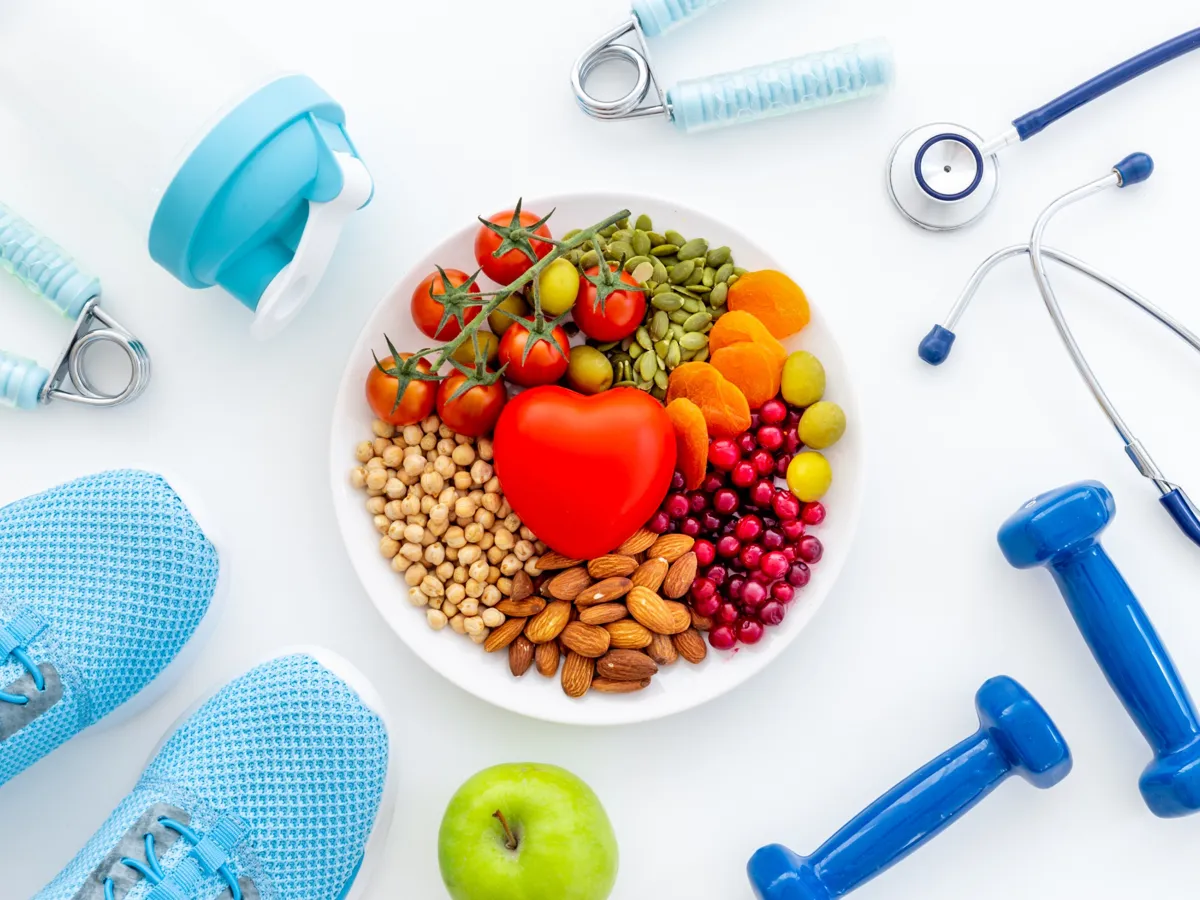
Focus on a diet rich in fruits, vegetables, whole grains, and lean proteins. The Mediterranean diet, for example, emphasizes such foods and has been associated with lower cholesterol levels (Estruch et al., 2013). Incorporate healthy fats found in olive oil, avocados, and nuts, and steer clear of trans fats and limited saturated fats.


Example: Instead of reaching for a bag of chips, try snacking on almond nuts or fresh-cut veggies with hummus.
Regular Physical Activity
Engaging in regular exercise can help increase HDL cholesterol while decreasing LDL cholesterol and triglycerides. Aim for at least 150 minutes of moderate aerobic activity or 75 minutes of vigorous exercise each week.
Example: A brisk walk or a leisurely swim can be enjoyable ways to integrate exercise into your routine.
Weight Management
Maintaining a healthy weight can reduce overall cholesterol levels. Even modest weight loss—just 5% to 10% of your total body weight—can have a significant impact on cholesterol levels (Jensen et al., 2013).
Limit Alcohol and Quit Smoking
Excessive alcohol can raise HDL cholesterol, but too much can increase triglycerides. It’s vital to drink in moderation, if at all. Smoking cessation is another positive step, as quitting can improve HDL cholesterol levels.
Medical Considerations
Sometimes, lifestyle changes might not be enough. Medications like statins can help manage cholesterol levels under a doctor’s guidance. Regular check-ups and blood tests can track cholesterol levels and make any necessary adjustments to your treatment plan.
Conclusion
Managing cholesterol is a multifaceted journey that involves both lifestyle and dietary changes. By focusing on a balanced diet, regular exercise, weight management, and responsible habits, many of us can manage cholesterol levels effectively. It’s essential to consult with healthcare professionals for personalized guidance tailored to our individual needs.
Small, consistent changes in our daily lives often lead to the best outcomes in managing cholesterol. As research continues to evolve, staying informed and adaptable is key. Let’s strive for balance and well-being, step by step.
References
-
Estruch, R., Ros, E., Salas-Salvadó, J., et al. (2013). Primary Prevention of Cardiovascular Disease with a Mediterranean Diet. New England Journal of Medicine, 368, 1279-1290.
-
Jensen, M. D., Ryan, D. H., Apovian, C. M., et al. (2013). 2013 AHA/ACC/TOS Guideline for the Management of Overweight and Obesity in Adults. Journal of the American College of Cardiology, 63(25), 2985-3023.

