


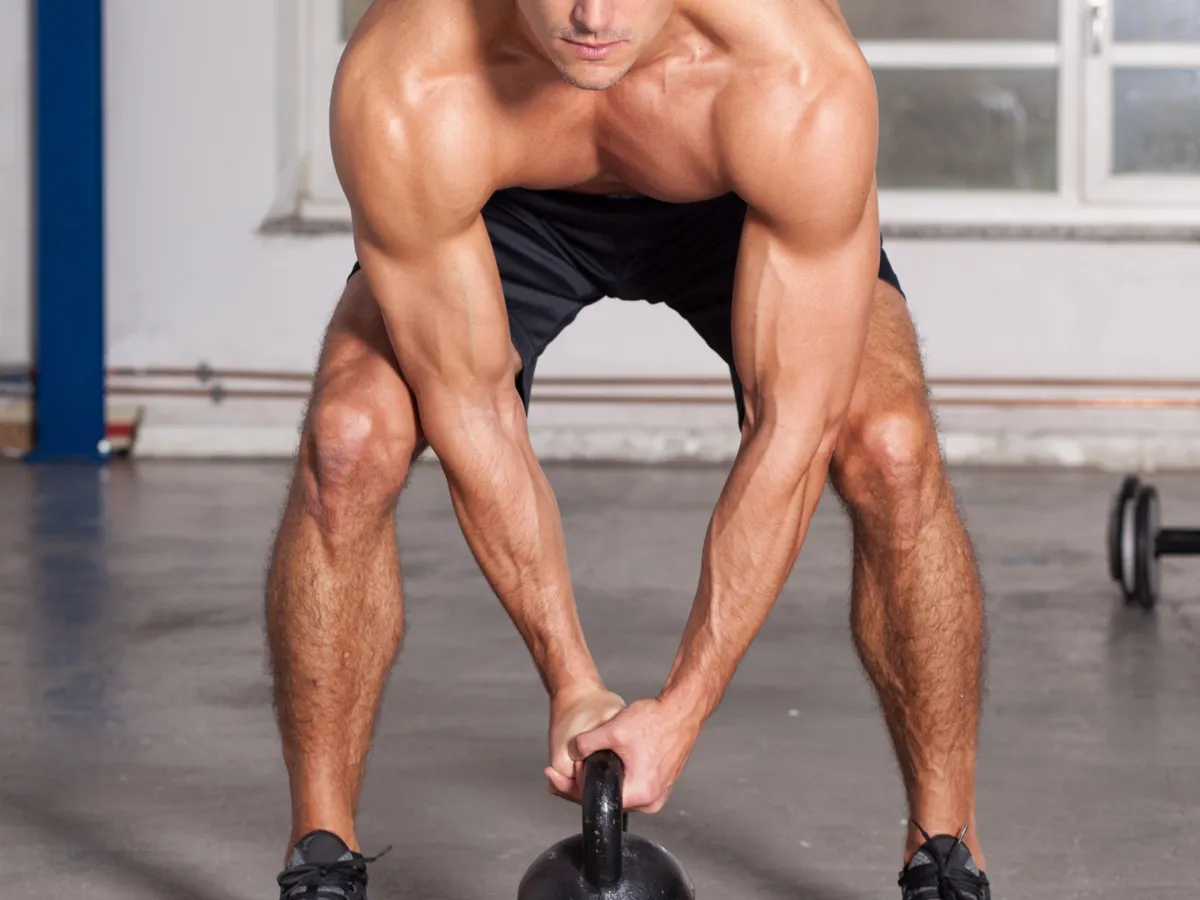
High-Intensity Interval Training, commonly known as HIIT, has gained popularity as an exercise approach that supports fat loss and overall fitness. It’s a method many consider for its time efficiency and the ability to be tailored to various fitness levels. While no single workout suits everyone, HIIT offers flexibility that can fit into different lifestyles and fitness goals.
What is HIIT?
HIIT involves short bursts of intense exercise followed by brief periods of rest or low-intensity exercises. The sessions can last anywhere from 10 to 30 minutes, making them ideal for those with busy schedules.
Scientific studies indicate that HIIT can significantly improve cardiorespiratory fitness, boost metabolic rate, and enhance fat oxidation. However, it’s important to approach each workout with careful attention to form and intensity.
How HIIT Supports Fat Loss
EPOC Effect
One of the key benefits of HIIT is its effect on Excess Post-exercise Oxygen Consumption (EPOC), also known as the afterburn effect. This process increases caloric burn after exercise, contributing to fat loss over time.
Muscle Preservation
Unlike steady-state cardio, HIIT can help preserve muscle mass while targeting fat stores. This combination is strategic for aesthetic and functional fitness.


Time Efficiency
For many, finding time to exercise is a challenge. HIIT’s shorter duration makes it easier to integrate into daily routines, possibly even reducing the barrier to regular physical activity.
Sample HIIT Workout Plans
Beginner HIIT Workout
-
Warm-up:
- 5 minutes of dynamic stretching or light jogging -
Circuit (Repeat 3 times):
- 20 seconds of Jumping Jacks
- Rest for 10 seconds
- 20 seconds of High Knees
- Rest for 10 seconds
- 20 seconds of Bodyweight Squats
- Rest for 10 seconds
- 20 seconds of Plank
- Rest for 10 seconds -
Cool down:
- 5 minutes of stretching
Advanced HIIT Workout
-
Warm-up:
- 5 minutes of dynamic exercises such as high kicks and arm circles -
Circuit (Repeat 4 times):
- 30 seconds of Burpees
- Rest for 15 seconds
- 30 seconds of Mountain Climbers
- Rest for 15 seconds
- 30 seconds of Jump Squats
- Rest for 15 seconds
- 30 seconds of Bicycle Crunches
- Rest for 15 seconds -
Cool down:
- 5-10 minutes of stretching focusing on major muscle groups
Research Insights
Research published in the Journal of Obesity suggests that HIIT can reduce body fat more effectively than traditional methods, although individual results can vary. Another study in the American College of Sports Medicine found that HIIT can enhance cardiovascular health and improve endurance, which indirectly assists in fat loss.
It’s always advisable to consult with a fitness professional or healthcare provider to tailor workouts based on personal health conditions and goals.
Personal Considerations
HIIT offers a dynamic option for those looking to add a fresh approach to their workout routine. It can be adapted by adjusting intensity, exercises, and rest intervals to meet individual abilities and preferences.
This approach may not be suitable for everyone. If you’re new to exercise or have any health concerns, it’s best to start slowly and gradually increase the intensity. Listening to your body and prioritizing safety over intensity is important for long-term success.
By exploring HIIT and understanding its potential benefits, you could add variety to your fitness regimen and work towards your fat loss objectives. Remember to pair your workout with a balanced diet for the best results.

