


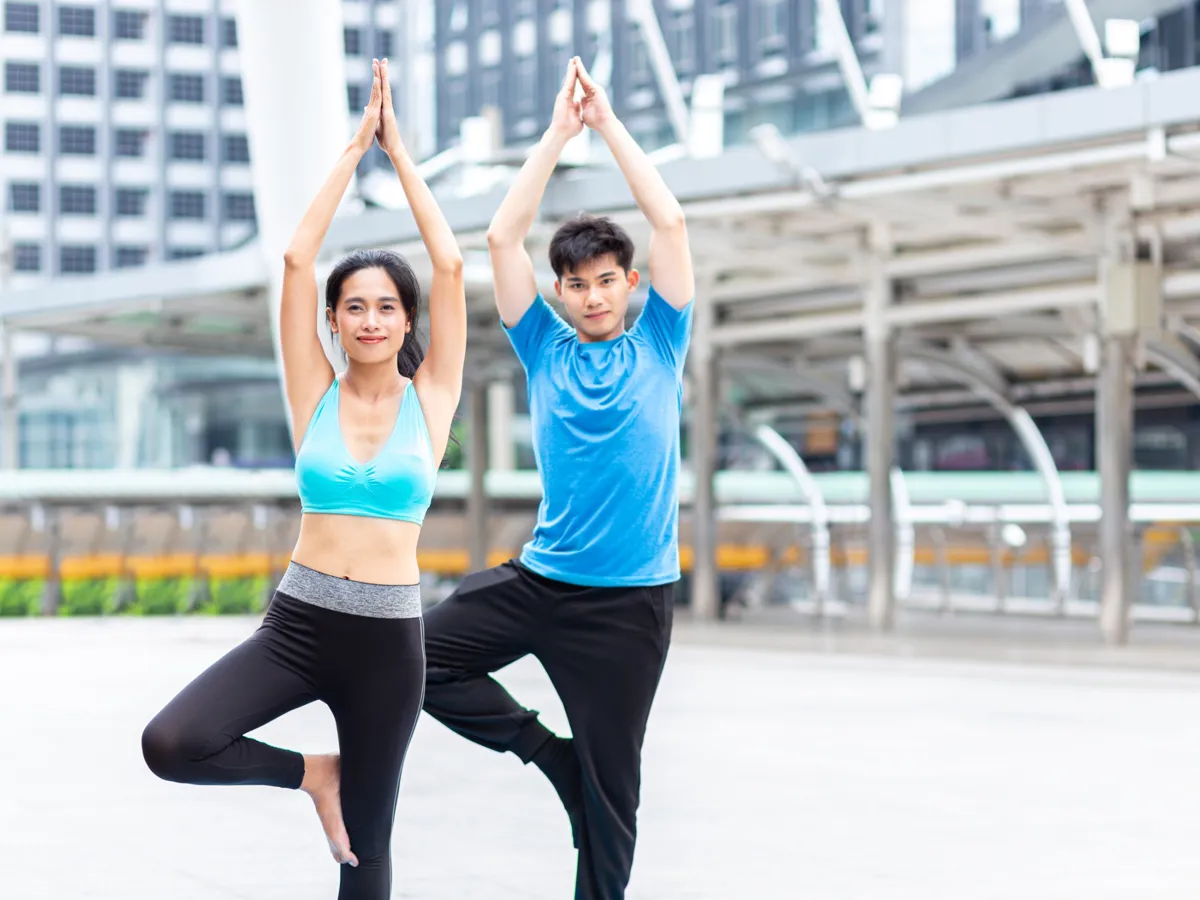
Exercise is an important aspect of a balanced lifestyle, contributing to physical health and mental well-being. The right exercises can benefit different areas of your fitness, such as cardiovascular health, muscle strength, flexibility, and balance. In this article, we’ll explore some exercises that could be beneficial for men, keeping in mind that individual fitness levels and goals can vary.
Cardiovascular Exercises
Cardio exercises support heart health, improve lung capacity, enhance endurance, and help with weight management.
Running
Running is a simple and accessible form of exercise that can be done almost anywhere. It’s beneficial for cardiovascular health and can help with weight management. Whether you prefer running outdoors or on a treadmill, aim to incorporate intervals or different paces to challenge your body.
Cycling
Cycling is a low-impact exercise that can boost cardiovascular fitness and muscle strength, particularly in the lower body. Whether on a stationary bike or outdoors, cycling allows you to explore new routines or landscapes while exercising.
Swimming
Swimming is a full-body workout that engages multiple muscle groups. It provides cardiovascular benefits while being gentle on the joints. It’s a suitable option if you are looking for a low-impact workout or have joint concerns.


Strength Training Exercises
Strength training is essential for building and maintaining muscle mass, supporting bone health, and enhancing metabolism.
Squats
Squats are a fundamental lower-body exercise that targets the quadriceps, hamstrings, glutes, and core. They can be performed with just your body weight or with added weights for increased resistance.
Push-Ups
Push-ups are effective for strengthening the chest, shoulders, triceps, and core. As an adaptable exercise, you can modify the intensity by changing hand placement or elevating the feet.
Deadlifts
The deadlift is a compound exercise that targets the back, glutes, and hamstrings. It requires proper form to avoid injury and can be performed with a barbell or dumbbells.
Pull-Ups
Pull-ups work the upper body, including the back, shoulders, and biceps. If bodyweight pull-ups are challenging, resistance bands or assisted pull-up machines can be useful tools.
Flexibility and Balance Exercises
These exercises help maintain a range of motion in the joints, improve posture, and reduce the risk of injuries.
Yoga
Yoga combines physical postures, breathwork, and relaxation. It’s known for improving flexibility, balance, and mental focus. With various styles available, you can choose one that matches your fitness level and goals.
Pilates
Pilates involves controlled movements that strengthen the core and improve posture. It can assist in maintaining flexibility, stability, and muscular coordination.
Tai Chi
Tai Chi is a gentle form of martial arts that involves smooth, flowing movements. It’s beneficial for balance, flexibility, and stress management.
Research and Considerations
According to a study published in the Journal of Applied Physiology, varied types of exercises can support overall health by improving different fitness parameters. Engaging in both aerobic and resistance training helps maintain muscle mass and cardiovascular function as we age.
When beginning any new exercise routine, consider your current fitness level and consult with a healthcare professional if necessary. It’s important to listen to your body and progress at a comfortable pace.
Conclusion
Finding the right exercises involves balancing different types to enhance overall well-being. Whether through running, strength training, or yoga, each form of exercise can contribute uniquely to your health and fitness goals.
Remember, consistency and personal enjoyment are key to maintaining a routine. Experiment with different exercises to find what works best for you and aligns with your lifestyle.
Let’s embrace physical activity not only as a way to improve health but also as a journey to discover what makes you feel vibrant and strong.

